 English
 Español
 Pусский
 عربي
عربي 


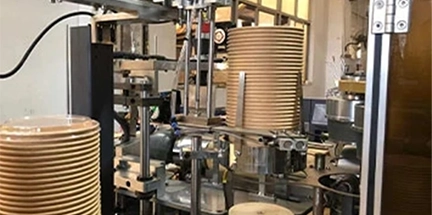
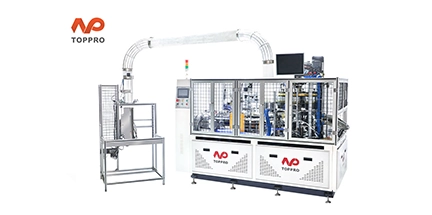
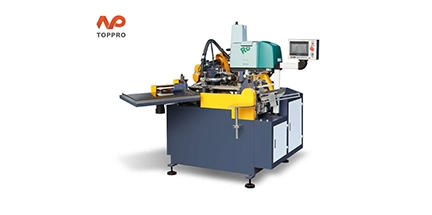
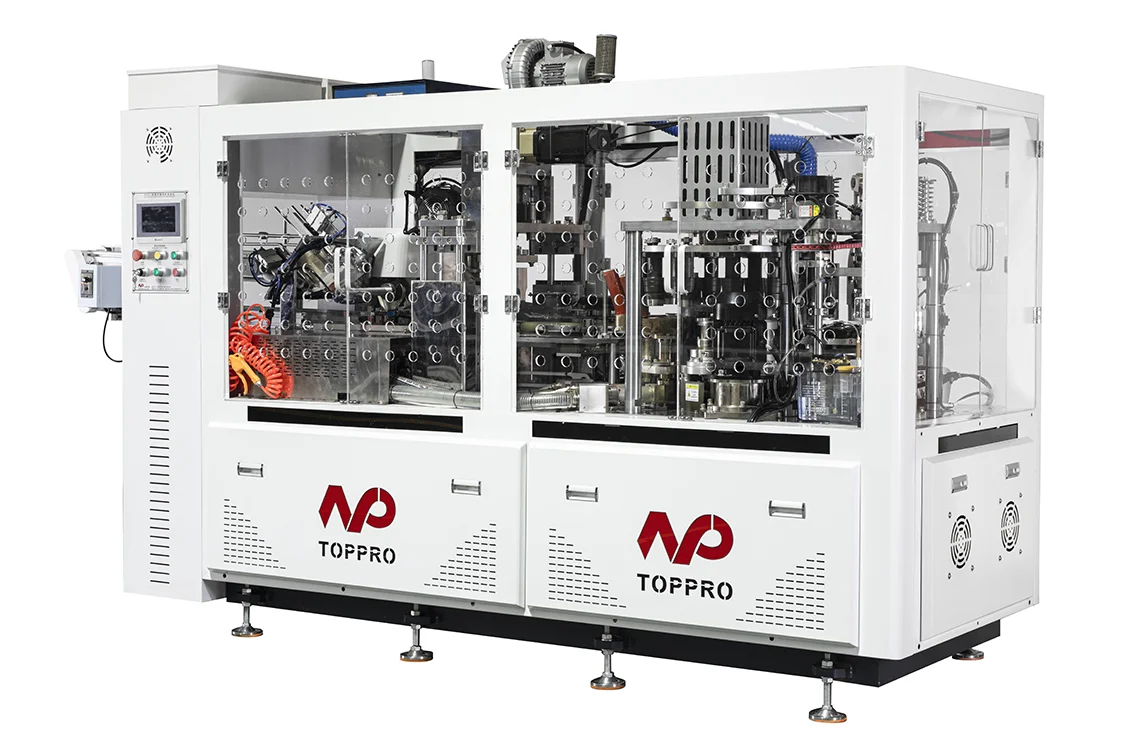
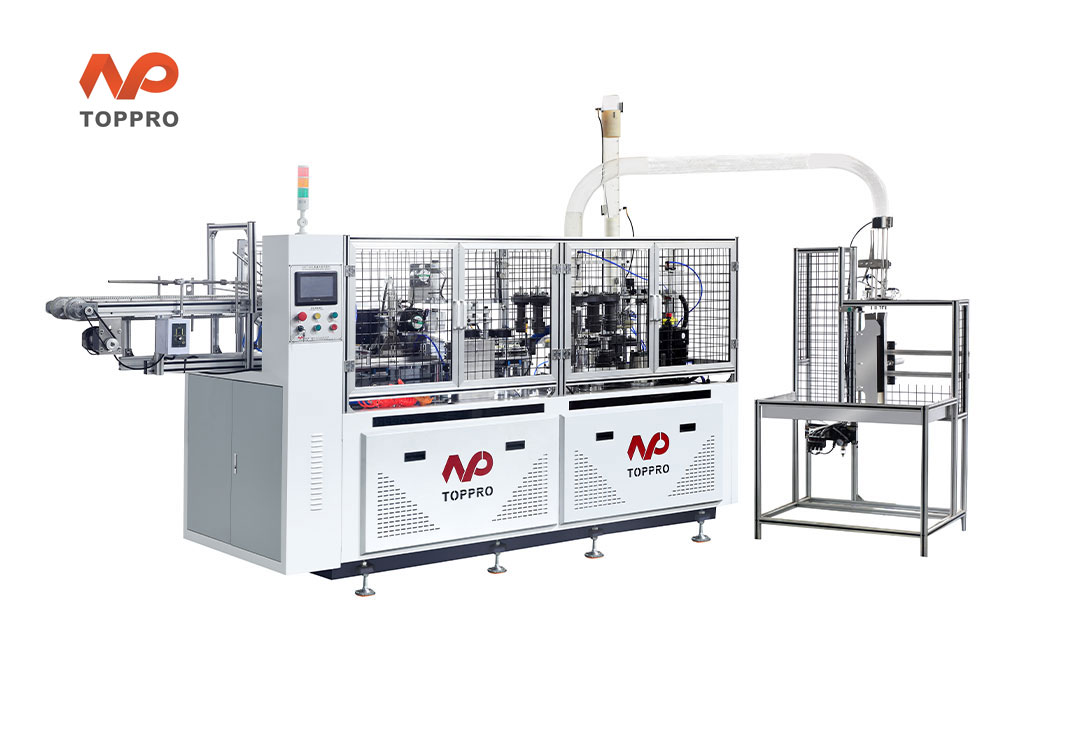
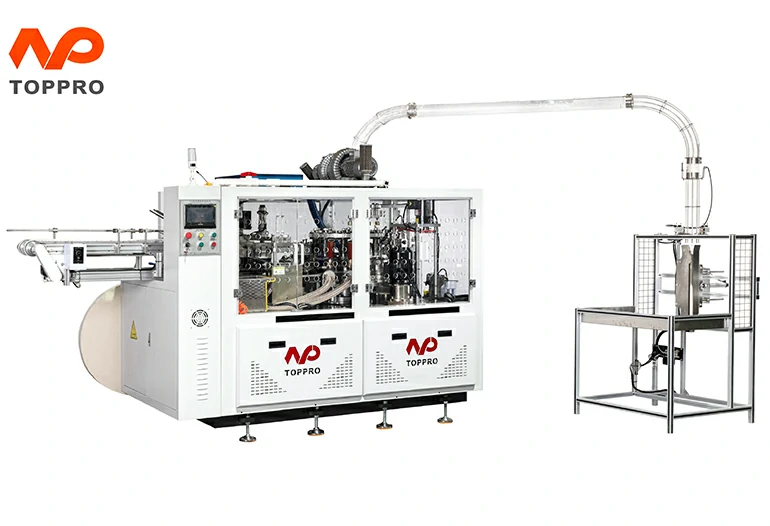
In modern packaging and catering industries, paper bowl machines are key for efficiently producing disposable paper bowls. Integrating automated processes, they turn raw paper into finished products with high precision. Below is a clarified definition, streamlined working process, core technologies, summary, and FAQs for easy browsing.
What is a Paper Bowl Machine?
A paper bowl machine is specialized automated equipment for manufacturing disposable paper bowls. It processes roll-fed coated paper (waterproof PE/wax layer) through sequential operations: feeding, cutting, forming, sealing, and finishing. Its core advantage is high automation, minimizing manual intervention, ensuring consistent quality, and boosting efficiency. Models range from small semi-automatic to large fully automatic lines.
Here's a Step-by-Step Breakdown of the Working Process
1. Paper Feeding & Cutting
Raw material: large rolls of waterproof coated paper. The machine’s unwinding device feeds paper at a steady speed, with guide rollers and tension controls preventing wrinkles/deviations.
A precision die-cutter cuts the continuous paper into fan-shaped/rectangular blanks (size/shape matched to bowl specs). High-precision cutting is critical for subsequent forming and sealing.
2. Side Sealing
Cut blanks are transferred to the side sealing station. The goal is to shape blanks into cylindrical tubes (bowl side walls).
Common technologies: thermal sealing (heat melts PE coating for bonding) and ultrasonic sealing (high-frequency vibrations generate heat for strong seals). Both ensure leak-proof, stable walls. The tube is trimmed for uniform height after sealing.
3. Bottom Feeding & Sealing
After forming the cylinder, the bottom is attached via two steps: feeding and sealing.
Circular coated bottom blanks (cut from a separate roll) are fed to the station. The cylinder is positioned over the bottom blank, with edges overlapping.
Thermal/ultrasonic sealing bonds the cylinder to the bottom. This step is critical for leak-proof performance—gaps cause liquid seepage.
4. Knurling & Curling
Post-bottom sealing, knurling and curling enhance structural strength and safety.
Knurling: small grooves around the bottom edge reinforce the side wall-bottom bond, preventing collapse under load.
Curling: rolls the top edge into a smooth rim, improving appearance and eliminating sharp edges for safe use (done via precision rollers).
5. Collection
Finished bowls are automatically discharged and conveyed to a collection unit. Conveyors and stacking devices arrange bowls in preset quantities. Advanced machines may include counting and packaging functions.
Quality inspection mechanisms may be integrated to detect and reject defective bowls (incomplete sealing, uneven curling, etc.), ensuring high-quality output.
Key Technologies in Paper Bowl Machines
1. Precision Feeding & Tension Control Technology: Ensures constant paper feeding speed and tension (via pneumatic tensioners and servo motors), preventing wrinkles/stretching and enabling accurate cutting/forming.
2. Advanced Sealing Technology: Thermal (120-180°C melts PE) and ultrasonic (20-40 kHz vibrations) sealing ensure strong, leak-proof bonds. High-end machines use intelligent systems to adjust parameters based on paper type/thickness.
3. Precision Die-Cutting Technology: High-hardness steel die-cutters make clean, burr-free cuts. Servo motors ensure precision; quick-change tools enable easy specification switching.
4. Automated Control & Detection Technology: PLC systems control the entire process and adjust parameters. Machine vision detects and rejects defects, improving quality and reducing waste.
5. Energy-Saving & Environmental Protection Technology: Adopts energy-saving technologies (variable-frequency drives) and eco-friendly heating systems. Uses recyclable paper and non-toxic coatings to meet environmental requirements.
Summary
Paper bowl machines turn coated paper into finished bowls via sequential automated processes. Key technologies enable high efficiency, consistent quality, and minimal manual intervention.
Indispensable in catering/packaging, they provide cost-effective mass production solutions. Future machines will be more intelligent, energy-efficient, and versatile to meet diverse market needs.
FAQ
Q1: What type of paper is used in a paper bowl machine?
A1: Coated paper (wood pulp + PE/wax coating for waterproofing). Thickness: 200-400 g/m² (thicker for heavy-duty bowls).
Q2: How fast can a paper bowl machine produce bowls?
A2: Semi-automatic: 500-1,500 bowls/hour; fully automatic: 3,000-10,000 bowls/hour. Speed depends on model/specs.
Q3: Can a paper bowl machine produce different sizes of paper bowls?
A3: Yes. Replace die-cutting tools and adjust PLC parameters. Advanced machines have quick-change systems for fast specification switching.
Q4: How to maintain a paper bowl machine?
A4: Key tasks: clean regularly, lubricate moving parts, replace worn components timely, calibrate sensors/controls, and power off when unused for long periods.
Q5: Are paper bowls produced by these machines environmentally friendly?
A5: Yes, if using recyclable/biodegradable materials. Modern machines adopt energy-saving tech, but low-quality materials may harm the environment. Choose eco-friendly raw materials.