 English
 Español
 Pусский
 عربي
عربي 


Disposable paper cups remain in high demand thanks to booming coffee culture and anti-plastic regulations. In fact, the global paper cup market is already about USD 8.4 billion in 2026 and projected to grow ~4% annually. The core question for entrepreneurs and investors is simple: Can you make money in this business? The answer is yes, but it requires scale and strategy. Industry analyses show that basic unprinted cups yield only ~25–30% margins, whereas custom-printed or specialty cups can exceed 50% profit margins. In practice, real profit comes from producing high volumes of value-added cups – for example, securing B2B contracts with coffee chains or caterers. In summary, paper cup manufacturing can be highly profitable (25–50% margins), but success depends on managing costs and focusing on higher-end products.
Breaking Down the Startup Costs (CAPEX)
Starting a cup plant requires significant capital investment in equipment and tooling. The single largest item is the cup-forming machine itself:
-
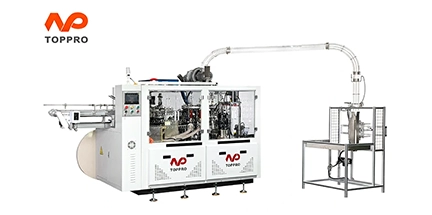
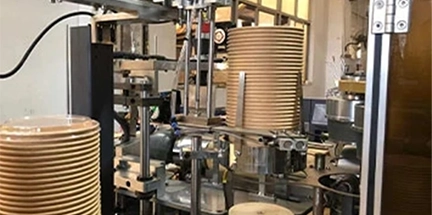
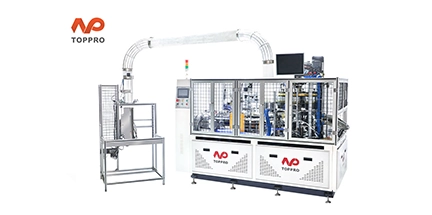
Paper Cup Machine: Entry-level models (45–60 cups/min) cost around $3,000–$15,000. High-speed servo-driven machines (100–200+ cups/min) run $20,000–$90,000 or more. Higher-speeds reduce cost-per-cup but raise the upfront price.
-
Molds: Steel molds for each cup size cost roughly $1,300+ each. (One machine can only make one diameter, so multi-size production multiplies this cost.)
-
Ancillary Equipment: To reach high margins, additional machines are needed. A flexographic printer (for logos/graphics), die-cutter (to cut printed rolls), and automatic packer or stacker can add tens of thousands of dollars to CAPEX. These let you escape the commodity trap by offering customized cups.
-
Factory & Installation: Don’t forget infrastructure: building or leasing space, electrical installation, conveyors, etc. These costs vary widely by location.
For perspective, rough CAPEX scenarios might be: a very small hobby setup (~$8–25K), a mid-size line (~$45–80K), and a full industrial line (>$100K–$250K). Prices can also depend on sourcing and optional features. In any case, plan for six-figure investment if you aim at 100+ cups/min output.
Operational Expenses (OPEX) & The Hidden Cost of Waste
Once running, operating expenses dominate profitability. The breakdown typically looks like:
-
Raw Materials: Coated paperboard is by far the largest cost – often 55–65% of total OPEX. (This includes PE-, PLA- or aqueous-coated stock.) Even minor price changes can swing profits, so strategic sourcing matters.
-
Labor & Utilities: Despite automation, you’ll still pay wages, electricity, maintenance, etc. Automation reduces labor per cup, but power (for motors, heaters, dryers) is significant. Note that high-speed machines tend to be more energy-efficient per cup.
-
Other Consumables: Glue or adhesive materials for sealing, packaging materials (plastic wrap or cartons), and machine maintenance parts.
-
Waste/Scrap: Perhaps the most hidden drain is scrap. During die-cutting and trimming, 15–20% of the paper can become waste. In effect, only ~800 kg of cups come out of 1 ton of input board if waste is 20%. This scrap must be recycled or landfilled at a cost. Efficient machinery and careful planning to minimize waste (newer PLC/servo machines and web-guiding systems) pay for themselves by reducing these losses.
In practice, controlling OPEX means negotiating good paper prices, maximizing yield, and optimizing labor. Remember: a fraction-of-a-cent improvement on raw material usage per cup multiplies into thousands in annual savings at high volumes.
The Sustainability Imperative: PE vs. PLA vs. Aqueous
In today’s market, eco-friendliness is no longer optional. The inner coating of the cup dictates both its recyclability and its cost:
-
PE (Polyethylene): This is the traditional plastic lining. It’s very cheap and moisture-proof, but unfortunately difficult to recycle and facing bans in eco-conscious regions. Many markets are restricting PE-lined cups.
-
PLA (Polylactic Acid): A bioplastic made from cornstarch. PLA makes cups commercially compostable, appealing to “green” buyers. However, PLA-coated stock is 30–50% more expensive than PE paper. It also requires industrial composting facilities to break down, which not all customers have.
-
Aqueous (Water-Based) Coatings: These enable cups to be recycled with normal paper waste – the so-called “plastic-free” option. Aqueous coatings are currently the most expensive choice, but they avoid all plastic. Many suppliers are shifting to aqueous liners to future-proof their products as regulations tighten.
Choosing the right liner is a trade-off: PE cups cost less but may lose market access, while PLA/aqueous cups win premium pricing (and investor attention) in sustainable segments. For startups, a dual approach (offering both) or flexible machines that handle multiple materials is wise.
Profit Strategy: Moving Beyond Commodities
Since standard white cups compete on razor-thin margins, differentiation is key:
-
Custom Printing & Branding: Investing in a quality flexographic printing unit can multiply revenue. For example, plain white cups wholesale at only about $0.04 each, whereas cups with custom logos/graphics can wholesale for $0.10–$0.15+. In fact, one industry guide notes that adding high-resolution flexo printing can boost selling prices by 150% or more compared to blank cups. Branded or promotional cups turn the product itself into a marketing tool, justifying much higher markups.
-
Premium Products: Offer value-added designs – insulated double-wall cups, textured walls, or specialty shapes. These command higher prices. For instance, ripple-wall coffee cups or “sleeved” cups can be sold as specialty items.
-
Package Deals and Services: Bundle cups with lids, sleeves or related items (paper straws, napkins) for foodservice clients. Or provide turnkey solutions (e.g. just-in-time supply) that clients value. Upselling is often more profitable than cutting price.
-
Focus on Volume Contracts: Long-term B2B agreements (with chains, caterers, event companies) stabilize production and amortize fixed costs. High volume spreads your CAPEX and OPEX thinner across each cup, improving per-unit margins.
Bottom line: Squeeze production costs wherever possible (e.g. low waste, high uptime) while pushing the top line through customization. Done right, the profit equation becomes very attractive.
Why Partner with TOPPRO Machinery?
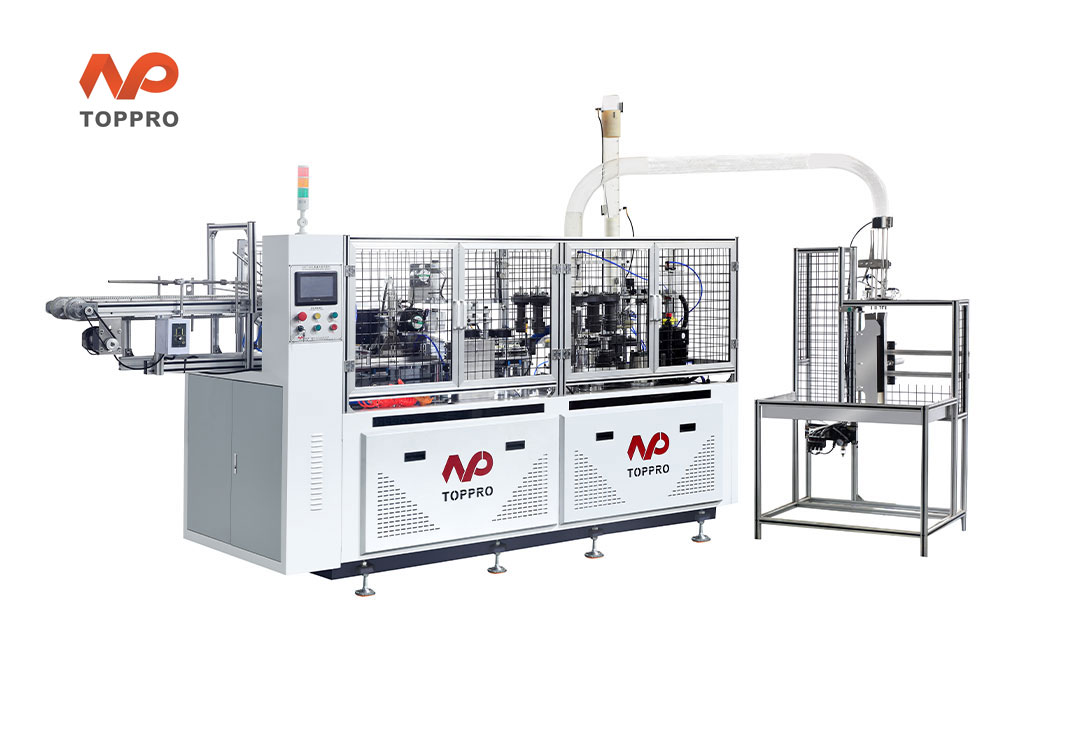
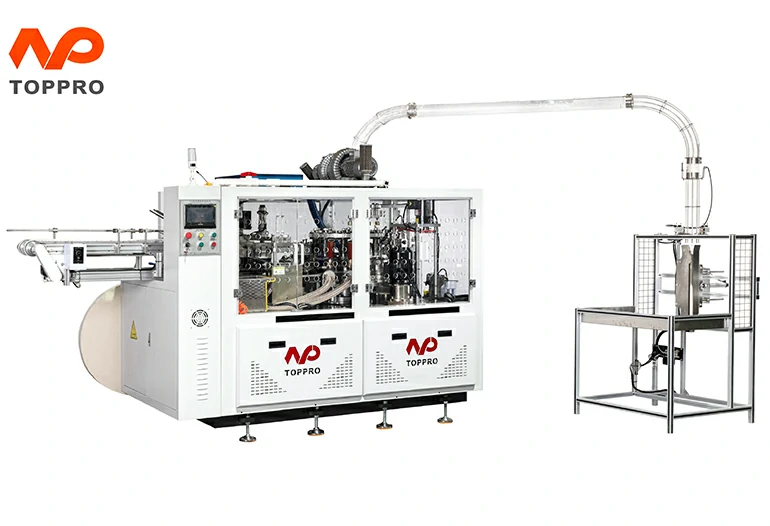
For investors and entrepreneurs, choosing reliable equipment is as important as market strategy. TOPPRO Paper Pup Machinery is a leading Chinese supplier of paper cup production lines. Their machines and support can be an advantage:
-
Proven Expertise: TOPPRO has 20+ years of experience and CE/SGS-certified quality. Their fully automatic systems are designed for commercial reliability.
-
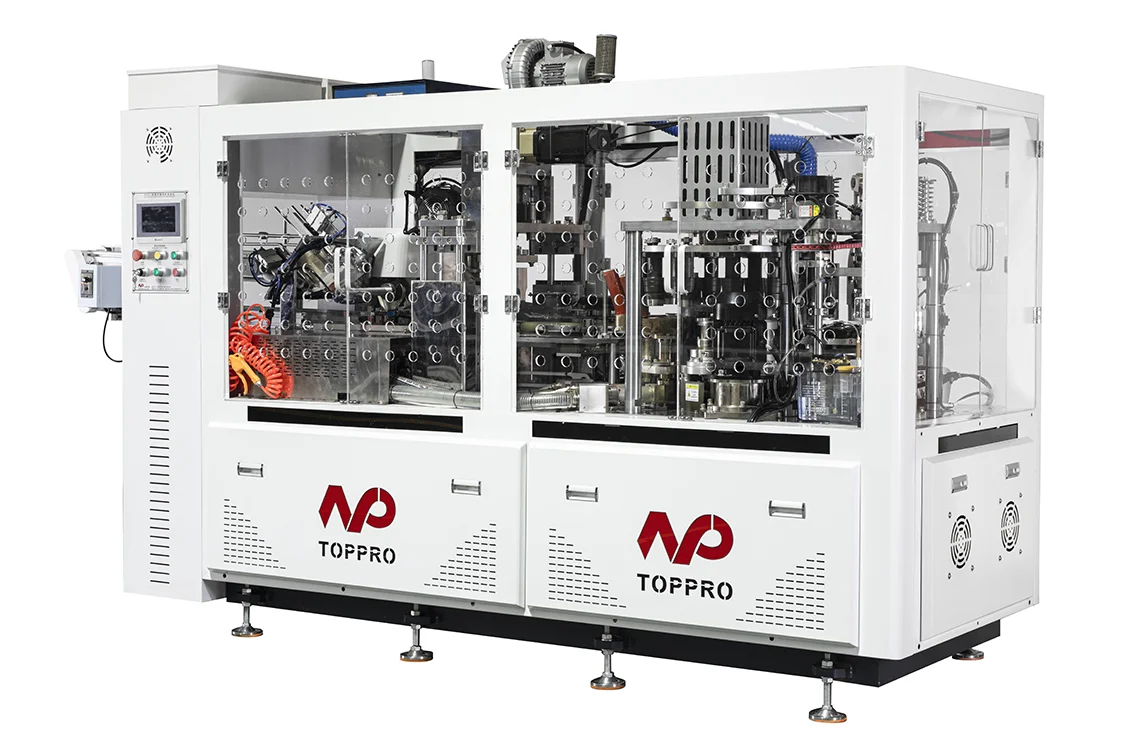
High Throughput: Models like the GZB-600 run at 130–150 cups/min, using double-cam forming, ultrasonic side-sealing and hot-air rim-heating for durable, leak-proof cups. They even offer variants up to 150–180 cups/min for maximum productivity.
-
Precision Automation: All TOPPRO paper cup machines use servo-driven paper feeders with PLC control. Features like servo tracking paper feeding, oil-circulation lubrication, and auto-counting tables minimize human error and paper waste. The result is stable 24/7 operation and reduced per-cup cost.
-
Material Flexibility: TOPPRO’s equipment handles single or double PE paper and is compatible with PLA and aqueous-lined stock. This means you can switch to eco-friendly cup lines without buying new machines.
-
User-Friendly Design: Their machines have intuitive HMI touchscreens and modular layouts, easing maintenance and training. After-sales support (spares, field service) is global, giving investors confidence.
By partnering with TOPPRO, you tap decades of engineering expertise and a proven product line. Their paper cup machines help cut waste and downtime, directly protecting your profit margin. For global investors eyeing sustainable packaging, this reduces execution risk and speeds ROI.
Conclusion
paper cup manufacturing can indeed be a profitable business in 2026 – but only with careful planning. The industry is growing and margins can reach 25–50% for the right products. Upfront CAPEX is non-trivial, and raw material costs dominate OPEX. Minimizing waste and optimizing efficiency are critical. Sustainability trends will shape demand; aligning your offerings to eco-friendly markets can command premium prices. Finally, success hinges on differentiation: custom printing, premium cup designs, and value-added services. Partnering with a reputed machinery supplier like TOPPRO can accelerate your venture: their high-speed, fully automated machines improve yield and flexibility.
FAQ
Q: Is paper cup manufacturing profitable in 2026?
A: Yes – industry sources report typical profit margins of 25–30% on plain cups and 50%+ on custom printed cups. High volume and value-added products (branding, insulated cups) drive profits.
Q: How many paper cups can I make from 1 ton of paperboard?
A: Roughly 230,000–290,000 standard 8–12 oz cups per ton of input paper. (About 15–20% of the paper is lost as waste in die-cutting.)
Q: What is the biggest ongoing cost?
A: By far the largest cost is the raw paperboard (coated stock). It typically accounts for over 50% of operating expenses. (Next come labor and energy at roughly 15–25% each.)
Q: How much does a paper cup machine cost?
A: Entry-level, low-speed machines start around $3,000–$15,000, while high-speed industrial lines run $20,000–$90,000+. A fully automated factory line with printers and packers may exceed $100,000.
Q: Should I use PE or PLA lining for cups?
A: It depends on your market. PE liners are cheapest and widely used, but face recycling bans in some regions. PLA (bioplastic) liners are biodegradable and fetch higher prices but cost more. Aqueous coatings allow full recyclability and are the most eco-friendly option, though also the most expensive currently. Choose based on customer demand and local regulations.