 English
 Español
 Pусский
 عربي
عربي 


The global packaging industry is undergoing a significant transformation driven by sustainability demands and digitalization. Within this landscape, the paper cup manufacturing machinery sector has witnessed a paradigm shift with the advent and proliferation of full servo motor technology. This analysis examines the current market dynamics of full servo motor paper cup machines, exploring key trends, drivers, competitive forces, and future prospects.
1. Industry Overview
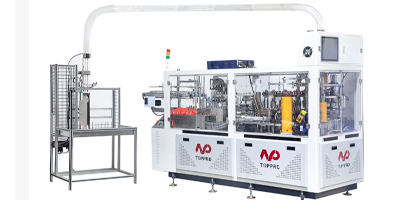
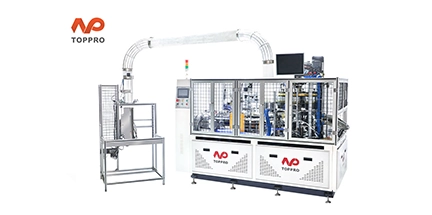
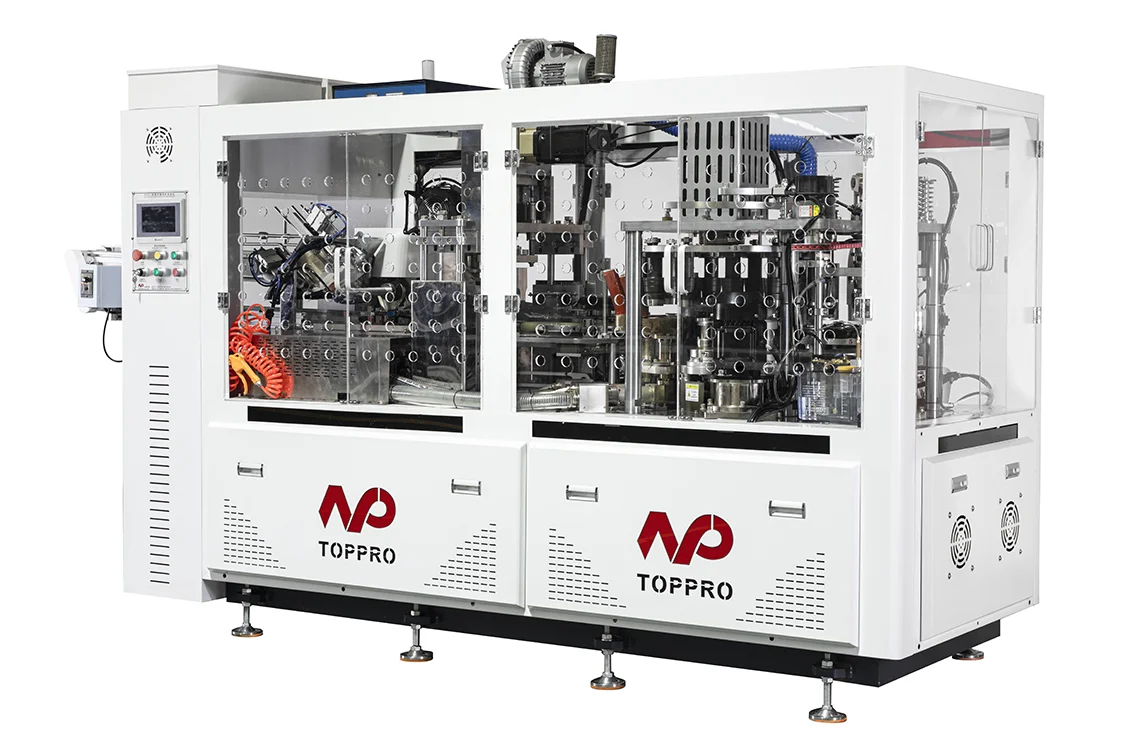
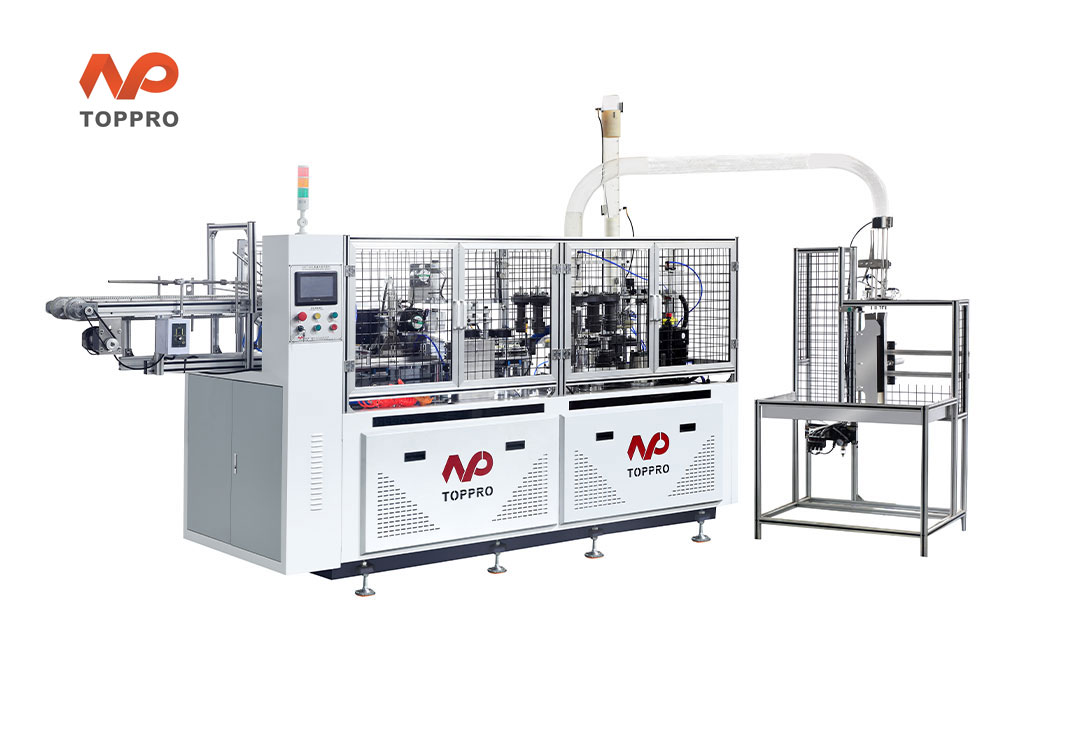
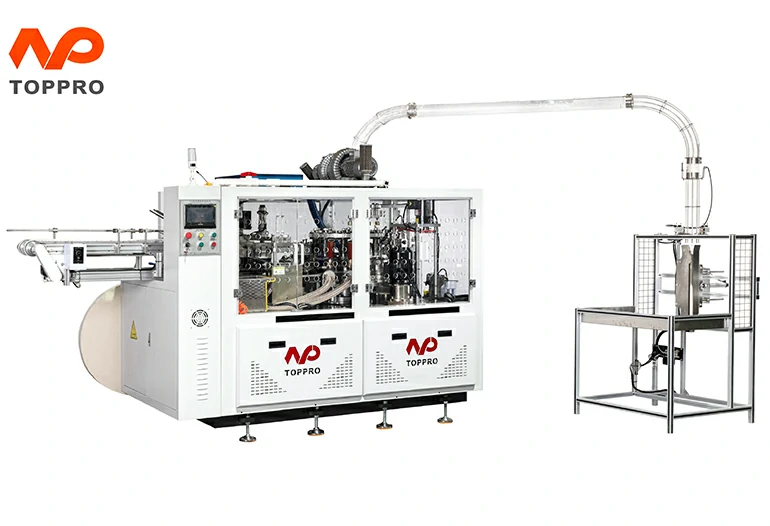
The paper cup machine industry is a critical segment of the disposable packaging machinery market. Traditional mechanical machines, driven by central shafts and complex gear systems, are being rapidly superseded by full servo motor machines. These advanced machines utilize independent servo motors for each axis of motion (feeding, printing, side-seaming, bottom-seaming, etc.), controlled by a centralized computer system. This shift represents a move from mechanical linkage to software-defined, flexible automation. The industry’s value chain includes raw material suppliers (paperboard, PLA coatings), machine manufacturers, paper cup converters, and end-users in food service, beverages, and corporate sectors.
2. Market Size and Growth
The global market for full servo motor paper cup machines is experiencing robust growth. While precise figures vary, industry analysts estimate the segment to be growing at a Compound Annual Growth Rate (CAGR) of approximately 8-12%, significantly outpacing the overall packaging machinery market. This growth is fueled by the rapid replacement cycle of older mechanical units and new capacity additions in emerging economies. The market size is directly correlated with the expansion of the paper cups market itself, which is propelled by bans on single-use plastics and rising consumption of on-the-go beverages.
3. Key Drivers of Demand
Several factors are accelerating the adoption of full servo motor paper cup machines:
-
Sustainability Regulations: Global bans on single-use plastics have exponentially increased demand for paper-based alternatives, necessitating efficient, high-output production equipment.
-
Demand for Customization: Brands increasingly seek short runs of customized, high-quality printed cups for marketing campaigns. Full servo machines enable quick changeovers (often under 10 minutes) and precise registration for multi-color printing, making small batches economical.
-
Operational Efficiency: The need for reduced waste (through precise material handling), lower energy consumption, and higher production speeds (up to 200+ cups per minute) is pushing converters towards servo technology.
-
Labor and Skill Shortages: These machines require less manual intervention for adjustments, are easier to operate via user-friendly HMIs, and reduce dependency on highly skilled mechanical technicians.
4. Technological Advancements
Technological progress in full servo motor paper cup machines is transforming the capabilities of the sector:
-
Servo integration: Full servo drive systems enhance precision in forming and cutting, allowing manufacturers to produce consistent cup shapes at higher speeds. Advanced servo systems also facilitate rapid changeovers between cup sizes.
-
Smart control and automation: Many modern machines now include PLC and touchscreen controls, IoT monitoring for predictive maintenance, and automated defect detection, improving both uptime and quality.
-
Energy efficiency: Upgraded servo systems typically consume less energy than older intermittent motion systems, while delivering more accurate production rates.
These technological advancements help firms optimize operational costs and enhance product quality in competitive markets.
5. Regional Market Trends
-
Asia-Pacific: Dominates as both the largest and fastest-growing market, led by China and India. High growth in food delivery services and aggressive environmental policies are key drivers. Local manufacturers are rapidly catching up in technology.
-
North America & Europe: Mature markets characterized by high replacement demand. Focus is on ultra-high efficiency, connectivity, and producing cups compliant with strict recycling and compostability standards.
-
Latin America and Middle East & Africa: Emerging growth regions where initial investments are increasingly skipping mechanical technology altogether in favor of entry-level servo machines to gain a competitive edge.
6. Competitive Landscape
The market for servo motor paper cup machines incorporates a range of regional and global competitors:
Local OEMs: Several Asian manufacturers specialize in high-speed servo-driven cup machines and have expanded their footprint in export markets.
Diversified global players: Well-established machine builders from Europe and North America offer advanced automation and quality control systems that cater to premium industrial applications, especially in food packaging.
Innovation focus: Competition is increasingly based on product innovation—higher speeds (e.g., machines capable of 200+ cups per minute), more flexible automation options, and integrated quality monitoring systems.
While competitive pressure keeps prices and features evolving, TOPPRO differentiate through service support, customization capabilities, and after-sales reliability.
7. Future Outlook
The future of the full servo paper cup machine market appears highly promising:
-
Consolidation: Expect mergers and acquisitions as larger players seek to acquire niche technology or expand geographical reach.
-
Sustainability-Driven Innovation: Machines will evolve to handle next-gen biodegradable and barrier materials more efficiently. Energy recovery systems will become standard.
-
Artificial Intelligence: AI will be deployed for autonomous quality control, predictive analytics for maintenance, and self-optimization of production parameters in real-time.
-
Hybrid Models: Growth in demand for hybrid machines capable of producing both paper cups and other sustainable packaging items (like bowls or lids) on a single, flexible platform.
8. Conclusion
Full servo motor paper cup machines are a critical component in the evolving landscape of packaging automation. Fueled by sustainability mandates, the drive for higher productivity, and technological advancements in control systems, these machines are gaining traction globally. Regional variations persist, with Asia-Pacific leading production and adoption, while North America and Europe push for high-end, quality-focused solutions. Competitive pressures and innovation will shape future industry progress, but the overall trajectory points toward continued market expansion and technological integration.