 English
 Español
 Pусский
 عربي
عربي 


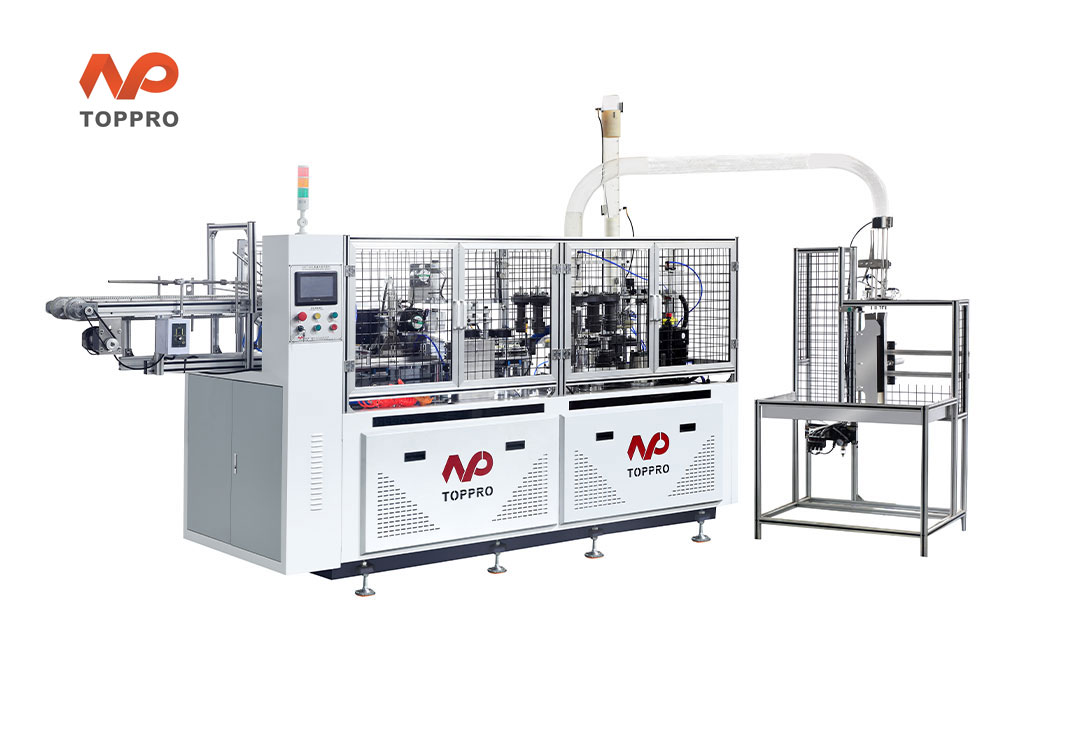
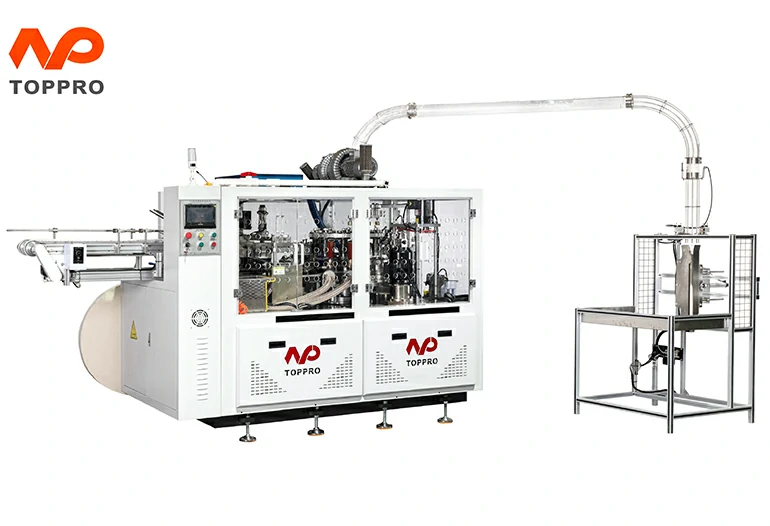
Investing in a paper cup making machine is a significant capital expenditure for any manufacturing business. Whether you operate a high-speed servo model or a standard disposable paper cup machine, the longevity of your equipment is directly tied to your bottom line. Unplanned downtime and frequent repairs can erode profits quickly.
To maximize your return on investment, you need a proactive strategy. Industry data suggests that sticking to regular maintenance routines can cut unexpected stoppages by about two-thirds and potentially double the machine’s useful life. This guide outlines eight critical maintenance practices to help you achieve peak performance and extend the lifespan of your paper cup production line.
1. Daily Cleaning Routine
The most fundamental step in maintenance is a rigorous daily cleaning routine. Paper dust, adhesive residue, and debris are the enemies of precision machinery.
-
Mold and Forming Area: At the end of each shift, wipe down the forming molds and cup transfer turrets. Use a soft, lint-free cloth with an alcohol-based cleaner to remove carbon buildup from PE-coated paper on heating plates.
-
Paper Debris: Clear away any paper bits stuck in the feed mechanisms, stacking units, and around the die-cutting area. Accumulated waste can interfere with sensors and cause paper jams.
-
Optical Sensors: Gently clean all sensor heads with a dry cloth every 2–3 days to ensure they accurately detect paper placement without obstruction.
-
Air Filters: Check and clean the air blower filter weekly to maintain strong suction and prevent motor strain.
2. Lubrication of Moving Parts
A cup forming machine relies on hundreds of moving parts—gears, cams, bearings, and chains. Lubrication reduces friction, prevents corrosion, and dissipates heat.
-
Daily Application: Apply high-temperature grease to gearboxes, camshafts, and chains. Consult your machine’s manual for specific lubrication points.
-
Quality Matters: Use the correct grade of lubricant. For areas near the cup product, food-grade grease is often required to prevent contamination.
-
The Goldilocks Principle: Apply lubricant sparingly. Over-lubrication can attract paper dust, creating an abrasive paste that accelerates wear rather than preventing it.
3. Inspection of Electrical Components
Electrical issues account for a significant percentage of industrial equipment failures. Regular inspection can prevent minor issues from becoming major hazards.
-
Wiring and Connections: Weekly, inspect wire insulation for fraying, scorch marks, or signs of rodent damage. Ensure all terminal block connections are tight, as loose connections can lead to arcing and motor failure.
-
Control Panels: Protect electrical panels from moisture ingress and dust. Ensure panels are properly sealed.
-
Emergency Stops: Test all emergency stop circuits and safety guards monthly to ensure they are functional and compliant with safety protocols.
4. Calibration of Settings
Over time, vibrations and component wear can knock your machine out of alignment, leading to defects like irregular cup height or poor sealing.
-
Mechanical Calibration: Verify the alignment of cutters, forming dies, and curling components. Misaligned forming dies are a leading cause of dimensional defects in paper cups.
-
Sensor Calibration: Check the sensitivity of paper detection and proximity sensors. Use a test sheet to ensure the machine "sees" the paper at the right moment, adjusting sensitivity knobs if necessary.
-
Temperature Calibration: Validate thermocouple accuracy monthly using infrared sensors. Temperature fluctuations in sealing zones can lead to adhesive failure.
5. Maintenance of Heat Sealing System
The heat sealing system (for side seams and bottoming) is the heart of the paper cup machine. If this fails, the cups leak.
-
Heating Plate Cleaning: Residue from PE coating builds up on heating plates and the knurling wheel. Clean these daily with a cloth and alcohol-based cleaner to ensure consistent heat transfer and prevent carbon buildup.
-
Pressure Checks: Ensure the pressure on the side sealing wheel and bottom knurling unit is even. Incorrect pressure can cause curled sides or bottom leaks.
-
Component Wear: Regularly inspect heating elements and thermocouples for signs of wear or failure, keeping spares on hand.
6. Training of Operators
Even the best-maintained machine will fail if operated incorrectly. Well-trained operators are your eyes and ears on the factory floor.
-
Safety and Awareness: Train staff on emergency procedures and the importance of Personal Protective Equipment (PPE).
-
Basic Troubleshooting: Operators should be able to identify abnormal sounds, vibrations, or a burning smell, and know when to stop the machine.
-
Maintenance Participation: Empower operators to perform daily cleaning and lubrication tasks and to document their actions in a maintenance log. This creates a culture of accountability.
7. Stocking Essential Spare Parts
When a critical part breaks, waiting weeks for a replacement is not an option. Proactive inventory management is key.
-
Consumables and Wear Parts: Keep a stock of heating pipes, drive belts, small springs, suction cups, and heatproof rubber.
-
High-Wear Items: Maintain inventory of critical spares like forming molds, knurling wheels, and sensors. Ask your supplier for a list of recommended spare parts based on your production volume.
-
The 80/20 Rule: Focus on the 20% of parts that cause 80% of your downtime. Typically, these are related to the heating, sealing, and feeding systems.
8. Professional Maintenance Service
While daily and weekly checks are vital, there is no substitute for expert oversight.
-
Scheduled Overhauls: Even with perfect daily care, machines need professional deep cleaning and inspection. Consider quarterly or bi-annual overhauls of the drive train and forming mechanisms.
-
Manufacturer Support: Utilize the after-sales support from your supplier. Many offer maintenance contracts where technicians perform preventive maintenance at regular intervals, significantly reducing the chance of breakdowns.
-
Software Updates: If your machine uses a PLC or digital control system, ensure you receive and install software updates from the manufacturer to improve functionality and fix bugs.
Conclusion
Extending the lifespan of your paper cup manufacturing equipment is not a matter of luck; it is a matter of discipline. By implementing a strict daily cleaning routine, ensuring proper lubrication, and investing in operator training, you create a foundation of reliability. When combined with scheduled professional maintenance and a smart inventory of spare parts, your machine will continue to produce high-quality cups efficiently for years to come. Remember, a well-maintained machine is the backbone of a successful production operation.
FAQ
Q: How often should I perform maintenance on my paper cup machine?
A: Maintenance should follow a tiered schedule: Daily (cleaning, lubrication checks), Weekly (sensor cleaning, bolt tightening), and Monthly/Quarterly (deep calibration, electrical diagnostics, professional service).
Q: What type of lubricant should I use on a paper cup machine?
A: It depends on the component. High-temperature grease is typically used for gearboxes and cams. For areas that may contact the cup, food-grade grease is recommended to prevent product contamination. Always refer to your machine's manual.
Q: Why does my paper cup machine keep jamming?
A: Frequent jams can be caused by several factors: loose paper feeding rollers, misaligned sensors blocked by dust, paper debris in the forming area, or poor-quality paper stock. Start by checking the daily cleaning points and sensor alignment.
Q: How do I know if my heat sealing system is failing?
A: Warning signs include inconsistent cup sealing (curled sides), bottom leakage, or visible holes/wrinkles on the cup body. This is often due to incorrect temperature settings, dirty heating plates, or uneven pressure on the sealing wheel.
Q: Is it worth signing a professional maintenance contract?
A: For high-volume production, yes. Maintenance contracts often include priority service, discounted parts, and scheduled expert inspections. This proactive approach helps avoid costly emergency repairs and can extend the overall lifespan of the machine.