 English
 Español
 Pусский
 عربي
عربي 


Every paper cup that fails—whether by leaking, buckling under hot liquid, or showing fuzzy print—traces back to one root cause: the wrong paper choice.
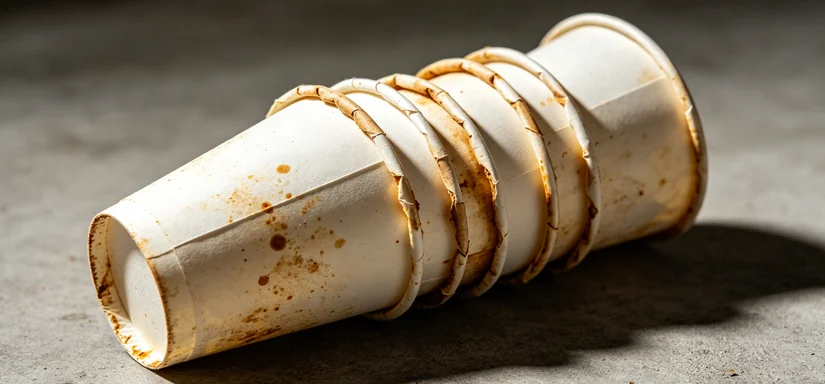
A seasoned production manager from a mid‑sized packaging plant once told us: “We changed nothing on the forming line, but the reject rate doubled overnight. The culprit was a supposedly ‘equivalent’ paper roll.”
If you run a cup forming operation, you already know that paper is not a commodity. It’s the single most influential variable for wall strength, sealing integrity, and visual appeal. This guide walks you through the two critical parameters—GSM and coating type—so you can stop guessing and start producing consistent, high‑grade cups.
1. GSM: Finding the “Goldilocks” range for your cup application
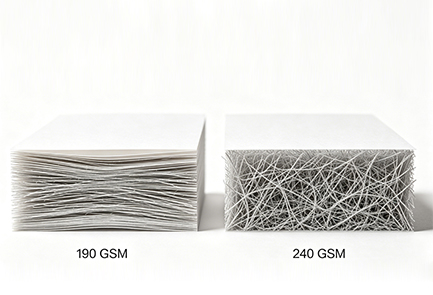
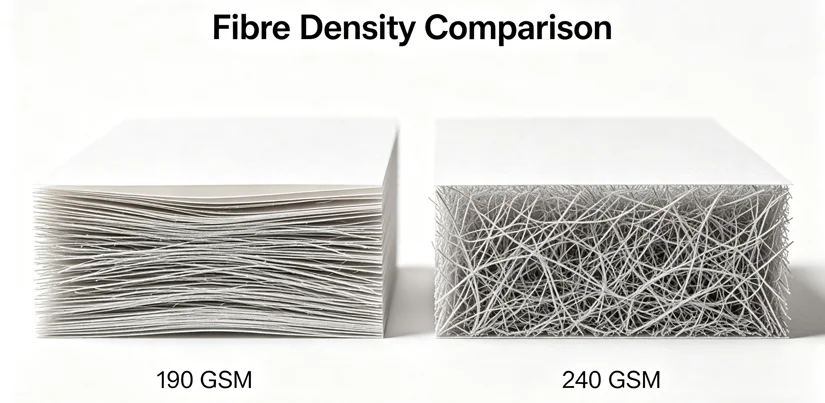
GSM (grams per square meter) measures paper density. Too low, and the cup feels flimsy; too high, and it becomes hard to form sharp rims and tight bottoms.
Real‑world reference:
-
Single‑wall cups for cold drinks (8–12 oz) → 190–220 GSM
-
Single‑wall hot coffee cups (8–12 oz) → 210–240 GSM
-
Double‑wall cups (any hot beverage) → 2 layers of 170–190 GSM each
-
Soufflé / portion cups (small, no heavy liquid) → 160–180 GSM
Common mistake: Using the same GSM for a 4 oz espresso cup and a 16 oz iced latte cup. Taller cups experience higher hydrostatic pressure at the bottom seam, requiring at least 220 GSM even for cold drinks.
How to validate GSM on incoming rolls:
A simple lab scale test is reliable, but also pay attention to forming behaviour. Too‑high GSM causes “spring‑back” at the side seam—the cup won’t stay fully conical. Too‑low GSM leads to ripples on the cylindrical wall.
If you're experiencing inconsistent forming results despite stable GSM, the root issue might be your forming equipment’s calibration. To rule out machine variables, you can review typical paper compatibility ranges from leading equipment suppliers—they often publish spec sheets that match GSM windows to cup heights.
2. Coating type: PE, PLA, or water‑based – performance vs. responsibility
The coating does two jobs: it makes the cup liquid‑tight and heat‑sealable. But not all coatings weld the same way.
PE (polyethylene) – the industry workhorse
-
Advantages: Excellent heat seal window (120–160°C), strong bonding to paper, low cost.
-
Drawback: Not compostable in standard facilities.
-
Best for: High‑volume hot/cold cups where cost and reliability come first.
PLA (polylactic acid) – bio‑based alternative
-
Advantages: Industrial compostable, good barrier properties.
-
Drawback: Narrower sealing temperature window (95–115°C); requires slower line speeds or precise heating control.
-
Best for: Brands with sustainability commitments, but only if your sealing station can handle lower activation energy.
Water‑based dispersion coatings – emerging solution
-
Advantages: Free from plastic, recyclable in paper streams.
-
Drawback: Higher cost, shorter shelf life for coated rolls, more sensitive to humidity.
Critical insight from a 2023 packaging lab test (TAPPI standards):
PLA‑coated paper, when sealed at 5°C below its optimal window, shows 40% lower peel strength. That means cups may pass in‑factory testing but start leaking after 30 minutes in a car cup holder.
So choosing a coating isn’t just about “green” claims—it’s about matching thermal characteristics with your machine’s sealing capabilities. If you’re planning to switch to PLA or water‑based, you’ll need to check whether your current forming unit allows independent temperature control on the side seam vs. bottom knurling. Consult the technical datasheet of your cup forming system to confirm compatible coating types before ordering expensive coated rolls.
3. The hidden trap: coating weight and pinholes
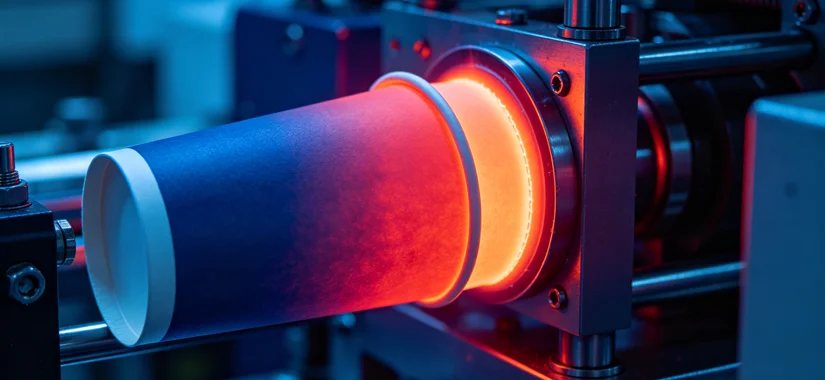
Even with the right coating material (PE or PLA), coating weight (grams per square metre of coating) varies widely. Minimum reliable coating weight for a leak‑free hot cup is 12–15 gsm on the liquid‑contact side. Discount rolls often drop to 8 gsm, causing micro‑pinholes that seep after 5–10 minutes.
How to spot poor coating quickly:
-
Fill a cup with warm water (60°C), place it on a white paper napkin, wait 2 minutes. Any moisture ring = reject the roll.
-
Rub the inner surface with a finger—if it feels “dusty”, the coating is uneven or under‑weighted.
A reliable incoming material checklist should include:
-
GSM of paper base (tolerance ±5%)
-
Coating material identification (PE / PLA / other)
-
Coating weight per side (ask your supplier for a certificate of analysis)
4. Decision table: Matching paper specs to cup quality goals
| Application | Recommended base GSM | Coating type | Min. coating weight | Critical success factor |
|---|---|---|---|---|
| Hot coffee, 12 oz | 220–230 | PE (low‑density) | 14 gsm | Side seam integrity at high fill temp |
| Cold soda, 16 oz | 210–220 | PE or PLA | 12 gsm | Bottom knurl sealing against carbonation pressure |
| Compostable cup, 8 oz | 190–200 | PLA | 15 gsm | Sealing heat profile gradually ramped |
| Ice cream / portion cup | 170–180 | PE thin coat | 10 gsm | Rim curl without cracking |
[Image: Table as described, with visual icons for each use case]
Pro tip: If you run multiple cup sizes, standardise on 2–3 paper types instead of one per SKU. Many top producers use a 220 GSM PE‑coated roll for both 8 oz and 12 oz hot cups—only adjusting the blank size. This reduces inventory complexity and changeover errors.
5. How to talk to your paper supplier (without getting marketing fluff)
Ask these three specific questions:
-
“What is the fibre composition (virgin vs. post‑consumer) and what is the CD‑MD stiffness ratio?” – Low cross‑direction stiffness causes ovality in the finished cup.
-
*“Provide a sealing curve graph for your coating at line speeds of 80–120 cups/min.”* – Don’t accept “standard values”.
-
“What is the moisture content range at delivery?” – Above 8% moisture leads to poor curl and longer pre‑heat times.
When you receive new rolls, run a short validation batch of 500 cups before committing to a full pallet. Measure:
-
Side seam peel resistance (manual pull test)
-
Bottom seam burst strength (pressurised with air)
-
Rim curl consistency (visual under 45° light)
If validation fails, the cost of downtime and waste will quickly exceed the paper savings.
6. When should you upgrade your forming equipment instead of changing paper?
Sometimes, no matter how you adjust GSM or coating, defects persist. This often points to worn‑out forming parts:
-
Uneven heating plates
-
Worn knurling patterns on the bottom die
-
Inconsistent blank feeding timing
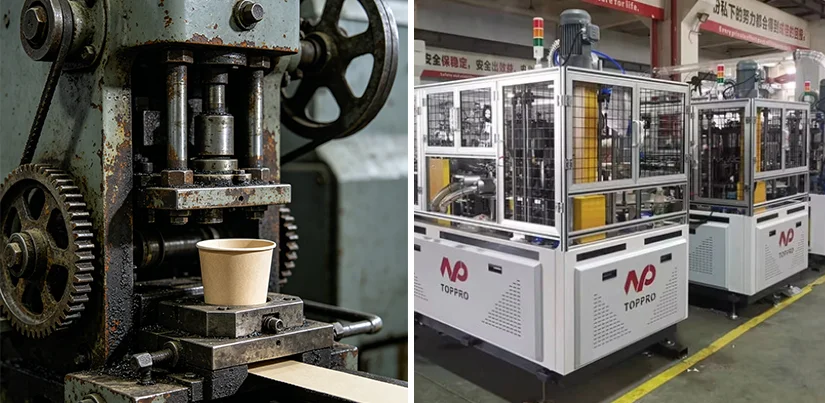
In such cases, investing in newer, more repeatable equipment solves multiple material issues at once. Explore modular cup forming systems that offer digital sealing temperature control and quick‑change tooling for different paper types. Modern units automatically compensate for minor GSM variations, giving you the flexibility to use competitively priced paper without sacrificing quality.
7. Building your paper quality playbook
To consistently elevate your production quality, create a one‑page “Paper Acceptance Standard” that includes:
-
GSM tolerance (±3% for premium cups, ±7% for economy)
-
Coating type and weight per side
-
Moisture content (6–8% for most PE coats)
-
Roll width precision (≤1 mm deviation over 1,000 m)
Train your receiving staff to measure these variables on every new batch—not just rely on supplier certificates. One packaging plant reduced leak‑related complaints by 62% within three months simply by rejecting two unfit paper rolls at the dock before they hit the forming line.
Ready to match your paper with the right equipment?
You now have a clear framework to choose GSM and coating type based on your target cup application. But even the best paper won’t perform if the forming machine lacks precise heating, sealing force control, or tooling rigidity.
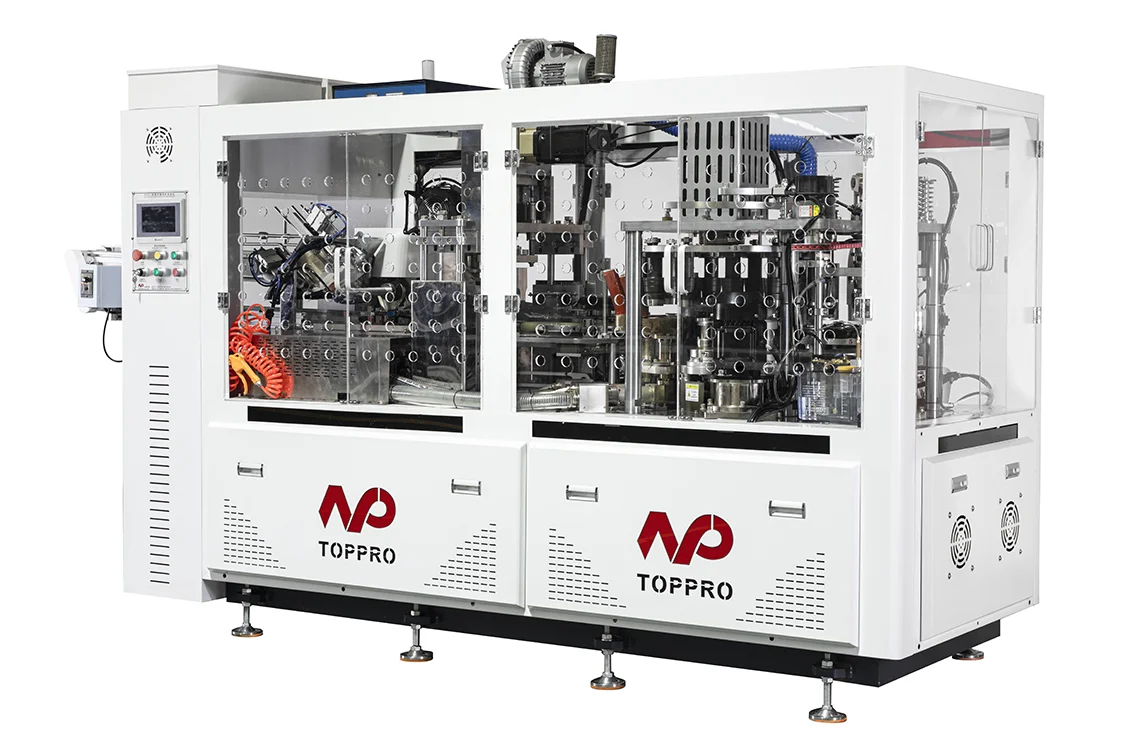
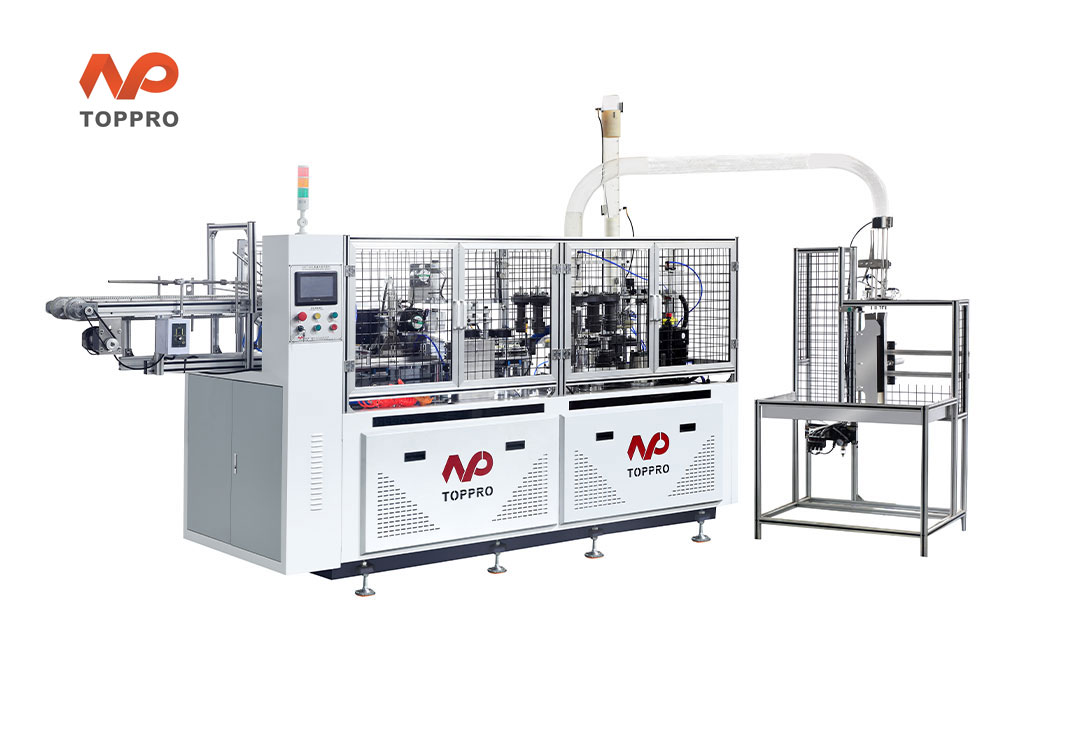
See how TOPPRO’s paper cup machine solutions are engineered to handle a wide range of GSM (160–320) and all major coating types (PE, PLA, water‑based) with repeatable seam integrity. Many of our users have switched from “fighting the paper” to “dialling in the recipe” within one shift.
Your next move: Review your current paper spec list against the decision table above. Pick one variable to optimise this month—either standardising GSM across two sizes or switching to certified coating weight documents. Small changes here compound into measurable waste reduction and happier brand clients.