 English
 Español
 Pусский
 عربي
عربي 


For small to mid-sized food packaging factories planning production upgrades, choosing between high-output and medium-output forming gear paired with a functional Paper Bowl Maker is one of the most cost-critical decisions. Industry data from the 2025 Global Disposable Food Packaging Machinery Report shows that over 62% of packaging manufacturers face profit losses due to mismatched equipment speed and actual order demands. Many buyers only focus on daily output figures while ignoring long-term energy consumption, labor adaptation, site layout and after-sales maintenance costs, which gradually drag down overall operational efficiency over years of use.
Core Operational Differences Between Two Production Speed Tiers
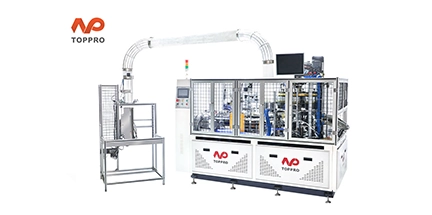
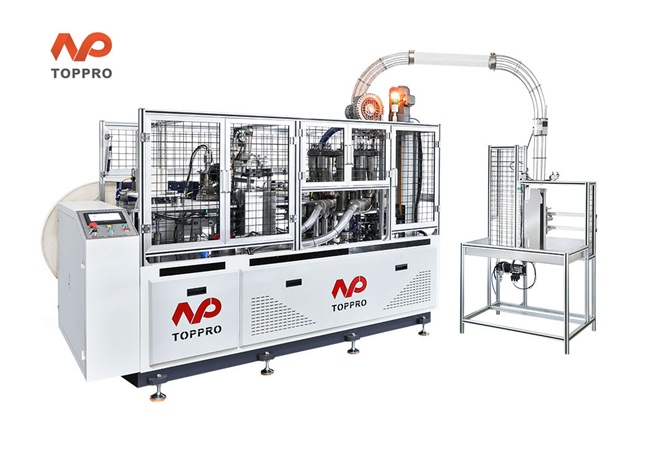
The fundamental gap between high-speed and mid-speed packaging forming lines lies in continuous operation logic and structural design orientation. High-speed models are engineered for mass bulk order manufacturing, designed to run 20+ hours daily with stable cyclic operation, tailored for large-scale food enterprises and centralized packaging suppliers with standardized product specifications.
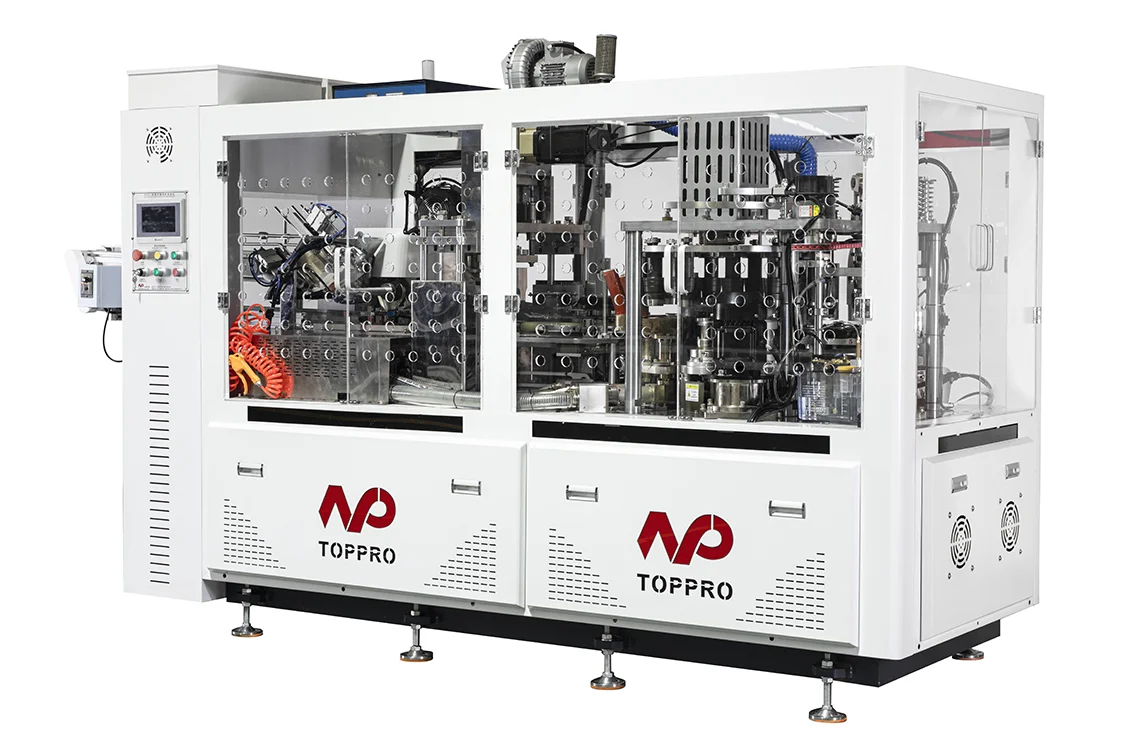
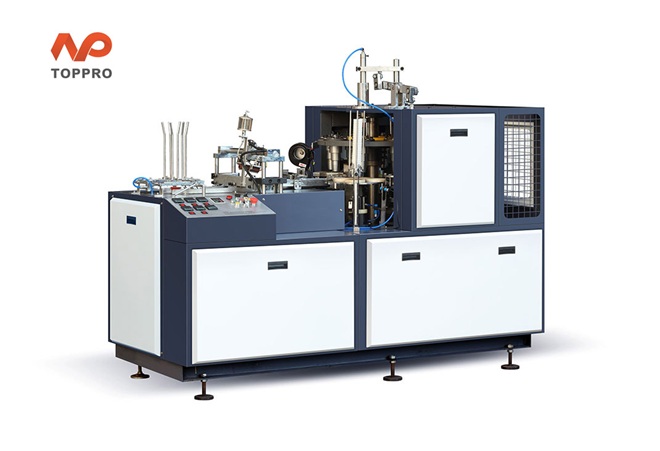
Mid-speed units, by contrast, lean into flexible production logic. They suit factories with diversified customized orders, frequent product size switching and fluctuating daily order volumes. Their mechanical structure is more compact, with simpler adjustment steps for mold replacement and parameter modification, lowering the technical threshold for frontline operators with limited professional training.
From daily practical operation feedback collected by packaging machinery industry research institutions, high-speed production units require dedicated power supply transformation and professional mechanical maintenance teams. The daily maintenance time cost is nearly 30% higher than mid-speed alternatives, a detail easily overlooked by new factory investors who only calculate initial procurement budgets.
Site Adaptation & Labor Matching for Different Production Scenarios
Factory space and human resource allocation are two non-negotiable factors that determine equipment usability in long-term operation. Large-scale standardized production workshops with spacious floor plans, fixed assembly lines and unified production rhythms can fully release the advantages of high-speed forming equipment. These sites usually have complete ventilation, noise reduction and waste recycling systems, perfectly matching the high-load operation needs of high-output machinery.
For regional small and medium packaging workshops, family-run processing plants and decentralized customized production workshops, compact mid-speed production lines show stronger compatibility. Such sites often have limited indoor space, flexible working hours and mixed production modes of multiple packaging products. Bulky high-speed equipment will not only cause space crowding but also lead to low equipment utilization due to discontinuous production arrangements.
Labor-wise, high-speed automated units rely on mature automated control systems, requiring fewer on-duty workers but demanding long-term employment of skilled technicians for regular inspection and fault handling. Mid-speed machinery balances automation and manual intervention, allowing general workers to master daily operation and simple troubleshooting after short-term training, greatly reducing long-term labor recruitment and training pressure.
Cost Accounting: Initial Investment & Long-Term Operating Expenses
Raw material consumption, energy consumption and component replacement costs form the main long-term expenditure of packaging production equipment. In terms of one-time purchase cost, high-speed integrated production lines have a 45%-60% higher entry threshold than mid-speed models, along with additional hidden costs including site reconstruction, power upgrading and intelligent control system access.
In daily energy consumption, mid-speed forming equipment performs better in energy-saving control under intermittent production modes. When facing intermittent start-stop and short-time operation demands, high-speed machinery cannot maintain the optimal energy efficiency ratio, resulting in unnecessary power waste. For brands with unstable order cycles, this long-term energy loss will form a considerable hidden expense.
Wearable parts replacement is another key cost point. High-speed equipment runs at high frequency for a long time, and key transmission and forming parts bear greater mechanical loss, with a shorter replacement cycle. Mid-speed equipment operates with milder mechanical load, extending the service life of core components and reducing the frequency of shutdown maintenance and parts procurement.
Customized Service Strength: TOPPRO Brand Differentiated Advantages
As a mature equipment brand focusing on disposable food container manufacturing solutions, TOPPRO has always focused on differentiated customization to fit diverse market demands. Instead of promoting unified standard machinery, the brand launches targeted optimization designs for high-speed mass production needs and mid-speed flexible production demands respectively.
For large manufacturers pursuing high-volume delivery efficiency, the high-speed production scheme optimizes transmission stability and material forming uniformity, supporting continuous production of various coated paper bowls with high pass rates. For customized small-batch order producers, the mid-speed equipment adds quick-release mold structures and humanized operation panels, shortening the product switching cycle and improving overall production flexibility.
The brand’s localized after-sales system covers on-site installation guidance, operator technical training and regular remote equipment debugging. This one-stop service model solves the common pain points of cross-regional equipment procurement, including delayed after-sales response and difficult technical docking, and fully complies with EEAT practical experience and professional service evaluation standards in the industrial machinery industry.
Reasonable Equipment Selection: Match Demand Instead of Blindly Pursuing High Configuration
Many equipment buyers fall into the wrong selection logic of “the higher the speed, the better the benefit”, ignoring the actual carrying capacity of their own production chains. Combined with real industry service cases, high-speed production equipment can only create value when it matches stable large-batch orders, standardized products and complete supporting facilities.
If your business focuses on regional customized food packaging, seasonal order fluctuations and multi-spec mixed production, mid-speed intelligent forming equipment is a more pragmatic choice. It can balance production capacity, operating cost and production flexibility, avoiding equipment idling and resource waste caused by over-configured machinery.
When sorting out complete production line solutions, a reliable Paper Bowl Maker acts as a core forming guarantee in the whole disposable tableware production system. Compared with ordinary paper container processing machinery of single function, the optimized forming structure of this type of equipment can adapt to multiple paper materials and thickness specifications, and coordinate with high-speed or mid-speed front-end feeding and back-end packaging equipment to form a smooth closed-loop production line. Combined with other food container making machinery, it can also realize multi-product mixed production, further expanding the business coverage of packaging processing enterprises.
Final Summary: Build A Matched Production System For Sustainable Profit
The competition in the disposable paper packaging industry is gradually shifting from simple output competition to refined operation competition. The gap between high-speed and mid-speed production equipment is not only reflected in hourly output, but also in full-cycle costs, scene adaptation, flexible production capacity and after-sales service matching.
Large-scale manufacturers with stable bulk orders can rely on high-speed production lines to amplify scale benefits, while small and medium processing factories should take flexibility and cost control as the core orientation to select suitable mid-speed equipment. With the support of personalized customization services from brands like TOPPRO, every enterprise can avoid blind equipment investment risks and build a production system that fits its own business rhythm.