 English
 Español
 Pусский
 عربي
عربي 


A regional milk tea chain with 12 locations wanted to run a Halloween promotion. The idea: a special edition cup featuring a limited-time pumpkin spice latte. Simple enough.
They called their cup supplier in early September. The response: "Minimum order is 50,000 pieces. Lead time is six weeks. And there is a $900 plate fee for the new design."
The promotional window was only 14 days. They would have received the cups on October 28th—too late to matter. The campaign never happened.
This is not an unusual story. According to a 2025 report by the National Restaurant Association, 37% of beverage chains with 5-20 locations have abandoned a seasonal or promotional cup design in the past two years simply because the minimum order quantity or lead time made it financially impossible.
The gap is clear: brands want small-batch, fast-turnaround, custom cup runs. The traditional packaging supply chain was built for mass production. It does not serve today's agile marketing needs.
The Real Problem: Marketing Speed vs. Manufacturing Reality
Let us look at how the current system works for a growing milk tea or coffee brand.
You have five stores. You want to test a new cup design for a summer collection. Your supplier asks for 30,000 pieces. That is 6,000 cups per store. If the design does not resonate with customers, you are stuck with boxes of unsellable inventory. If it does, you cannot reorder quickly enough to ride the momentum.
A cafe owner in Austin put it bluntly: "I am not a warehouse. I am a coffee shop. I do not want to store two years' worth of cups just to get my logo on something."
The packaging industry operates on economies of scale. Larger runs lower the per-unit cost. That logic works for Coca-Cola. It does not work for an emerging local chain trying to stay nimble.
What Changes with On-Demand Cup Production
Imagine a different workflow. Your marketing team designs a cup for Father's Day. You produce 500 pieces—just enough for the weekend. You serve them. Customers take photos. The design works. You produce another 1,000 for the following week. No waste. No overcommitment.
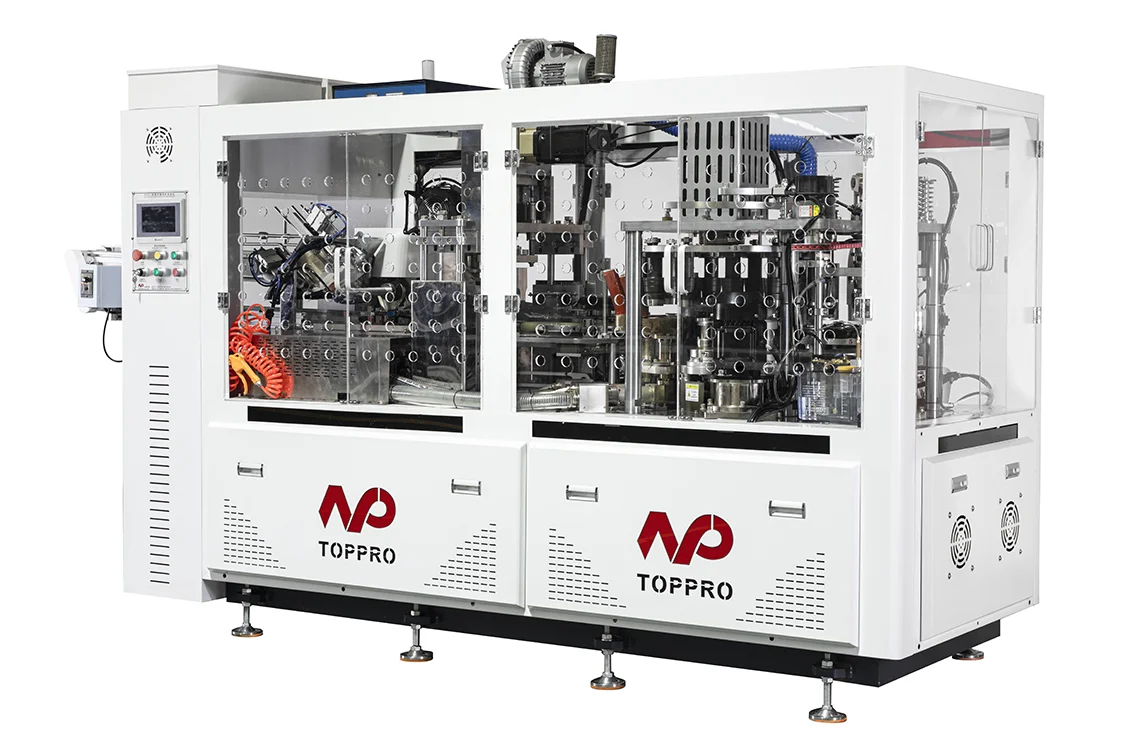
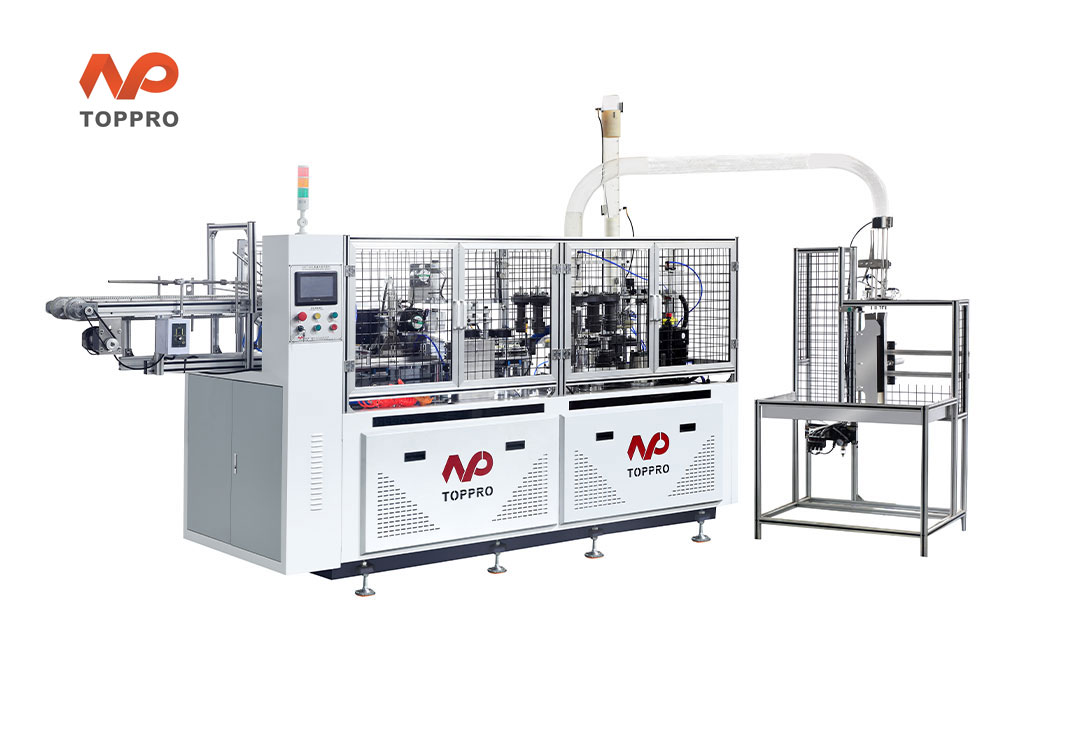
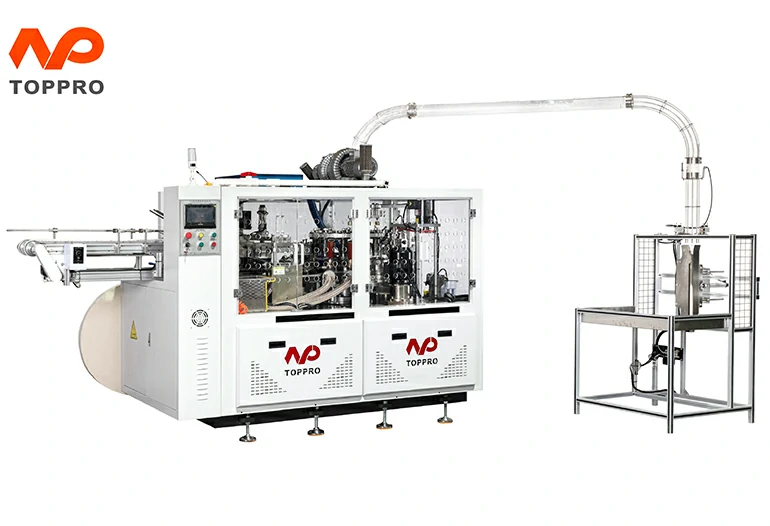
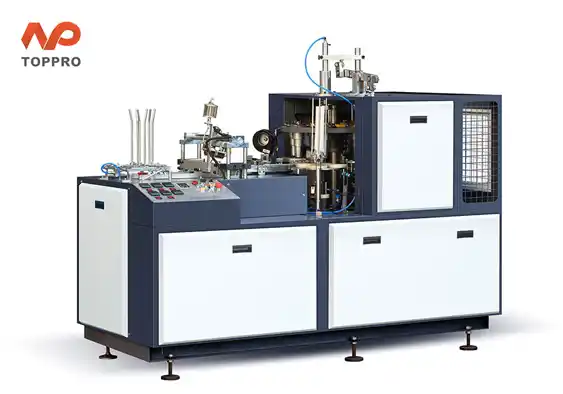
This is possible when you bring cup forming and printing into your own facility. The technology has existed for decades, but it was always housed in massive factories serving multinational brands. What has changed is the availability of production-scale forming equipment that fits in a warehouse bay rather than a factory floor.
The capabilities that matter for growing chains:
-
Batch sizes as low as 500 cups – Test a design before committing to volume
-
48-hour creative-to-cup lead time – Respond to trends while they are still trends
-
No plate fees or setup charges – Digital workflows eliminate traditional printing tooling
-
Just-in-time inventory – Produce what you need, when you need it
According to packaging industry analyst firm Smithers, the on-demand packaging market grew 28% year-over-year in 2024, driven specifically by food and beverage brands seeking shorter campaign cycles.
Three Production Models Compared
For a milk tea or coffee chain evaluating cup production options, here is how the landscape looks today:
| Factor | Traditional Supplier (Mass Production) | Local Print Broker | In-House Production |
|---|---|---|---|
| Minimum order | 30,000 - 100,000 | 5,000 - 10,000 | 500 - 2,000 |
| Lead time (design to delivery) | 4 - 6 weeks | 2 - 3 weeks | 1 - 2 days |
| Plate/setup fees | 500−500−1,500 | 200−200−500 | None |
| Per-unit cost (1,000 pcs) | 0.08−0.08−0.12 | 0.18−0.18−0.25 | 0.10−0.10−0.15 |
| Design change flexibility | Very low | Moderate | Very high |
The in-house model does not win on every metric. Per-unit cost is slightly higher than mass production at volume. But for batches under 10,000 pieces, it is often cheaper and always faster.
A regional bubble tea brand with eight locations switched to in-house production last year. Their operations director shared this number: "We used to write off about 3,000worthofunusedpromotionalcupsannually.Lastyear,thatdroppedto3,000worthofunusedpromotionalcupsannually.Lastyear,thatdroppedto200. We produce exactly what we need and no more."
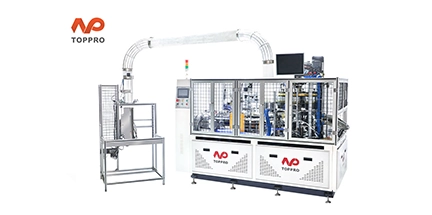
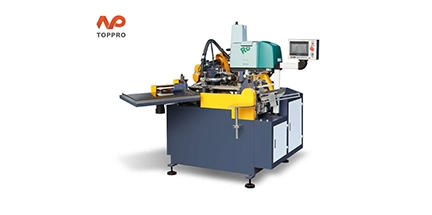
For operations managers evaluating whether this model fits their existing supply chain, review the production capacity and batch-size specifications here.
Five Questions to Ask Before Bringing Production In-House
If you are considering adding cup forming to your existing warehouse or commissary kitchen, here is what actually matters.
1. What is the true all-in cost per cup?
Do not stop at the paper blank price. Calculate: paper + electricity + maintenance + operator labor + floor space + depreciation. A transparent supplier will provide a worksheet. A good target for small-batch production is 0.10−0.10−0.16 per finished cup, depending on size and coating type.
2. How fast can you switch between cup sizes?
A chain that sells 8oz espresso, 12oz latte, and 16oz iced tea needs changeover under 20 minutes. Ask to see a video of the actual tooling swap. If the supplier hesitates, consider that a red flag.
3. What is the warm-up time from cold start?
You will not run this equipment continuously. You will run it for one batch, then let it sit for days. A machine that takes 45 minutes to stabilize is not practical for batch production. Look for PID-controlled heating systems that reach operating temperature in under 12 minutes.
4. What training and support are included?
Your operators are not packaging engineers. They are warehouse staff or shift leads. The control interface should be intuitive—preset recipes for each cup size, clear error messages, and a library of video tutorials.
5. What is the service response time?
When a component fails, how do you get a replacement? Is there local stock? Can you order consumables online without a minimum purchase? The right supplier for a growing chain treats you like a partner, not a distributor account.
A production manager at a 15-location coffee chain told me: "The machine itself is fine. What matters is whether someone answers the phone when a sensor fails on a Friday afternoon before a holiday weekend."
The Financial Model That Works for Chains
Let us run realistic numbers for a chain with ten locations, each using 4,000 cups per month. Total monthly volume: 40,000 cups.
Traditional supplier model:
-
Cup cost: 0.11percup=0.11percup=4,400/month
-
Design/plate fees (amortized): $200/month
-
Storage cost (rent for unused inventory space): $300/month
-
Obsolete inventory write-off (expired or unused designs): $400/month
-
Total: $5,300/month
In-house production model:
-
Paper blanks: 0.07percup=0.07percup=2,800/month
-
Electricity and maintenance: 0.02percup=0.02percup=800/month
-
Operator labor (2 hours per week @ 25/hr):25/hr):200/month
-
Floor space (50 sq ft @ 2/sqft):2/sqft):100/month
-
Equipment depreciation (over 5 years): $250/month
-
Total: $4,150/month
Monthly savings: 1,150.Annualsavings:1,150.Annualsavings:13,800. And that does not include the value of running seasonal campaigns that were previously impossible due to MOQ constraints.
When In-House Production Does Not Make Sense
To be fair, this model is not for every business.
-
Single-location shops with no central warehouse space will struggle to justify the equipment footprint.
-
Brands using less than 15,000 cups per month may find that the savings do not offset the upfront investment within two years.
-
Chains with established long-term contracts that already include low per-unit pricing and flexible MOQs may have less urgency.
But for growing regional chains that want marketing agility, inventory control, and independence from supplier lead times, the numbers are compelling.
Taking the Next Step
The packaging supply chain is not broken. It is designed for a different era—one where brands launched two designs per year and customers did not expect weekly novelty. That era is over.
Today's beverage brands need to move fast. They need to test, iterate, and launch campaigns in days, not months. And they need a cup production model that keeps pace with their marketing calendar.
If your chain is ready to explore whether on-demand cup production fits your growth plan, browse the equipment lineup and request a cost worksheet here.

Final Thoughts
The milk tea and coffee market has never been more competitive. Differentiation happens at the counter—in the cup the customer holds. If you cannot launch a seasonal design because your supplier requires a six-week lead time and a 50,000-piece minimum, that is not a supply chain problem. That is a competitive disadvantage.
Bringing cup production in-house is a strategic decision, not just a cost decision. It gives you control over timing, quantity, and creativity. And for chains ready to grow, that control is worth more than the savings on the spreadsheet.