 English
 Español
 Pусский
 عربي



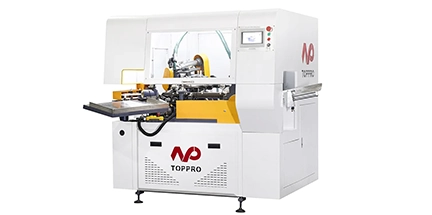
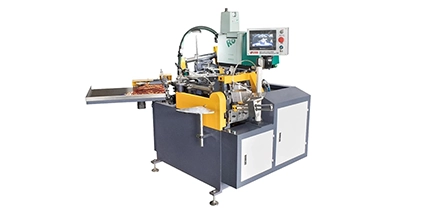
You're running an ice cream packaging line, and the cone sleeve has to come out with a clean seam, a centered shape, and a consistent glue line — thousands of times per shift. A Paper Cone Machine with full servo control replaces the mechanical linkages that drive paper feeding, transmission, and mold rotation with independent servo motors that position each motion electronically. The CPC-300 from Sincere Machine runs this configuration at 280-300 pcs/min across 4-10oz cone sizes. This article explains what the servo system controls, how the glue and vacuum systems support the forming process, and what to verify when you're matching a cone sleeve machine to your production.
Which Motions Does the Servo System Control?
Paper Feed, Transmission, and Mold Rotation
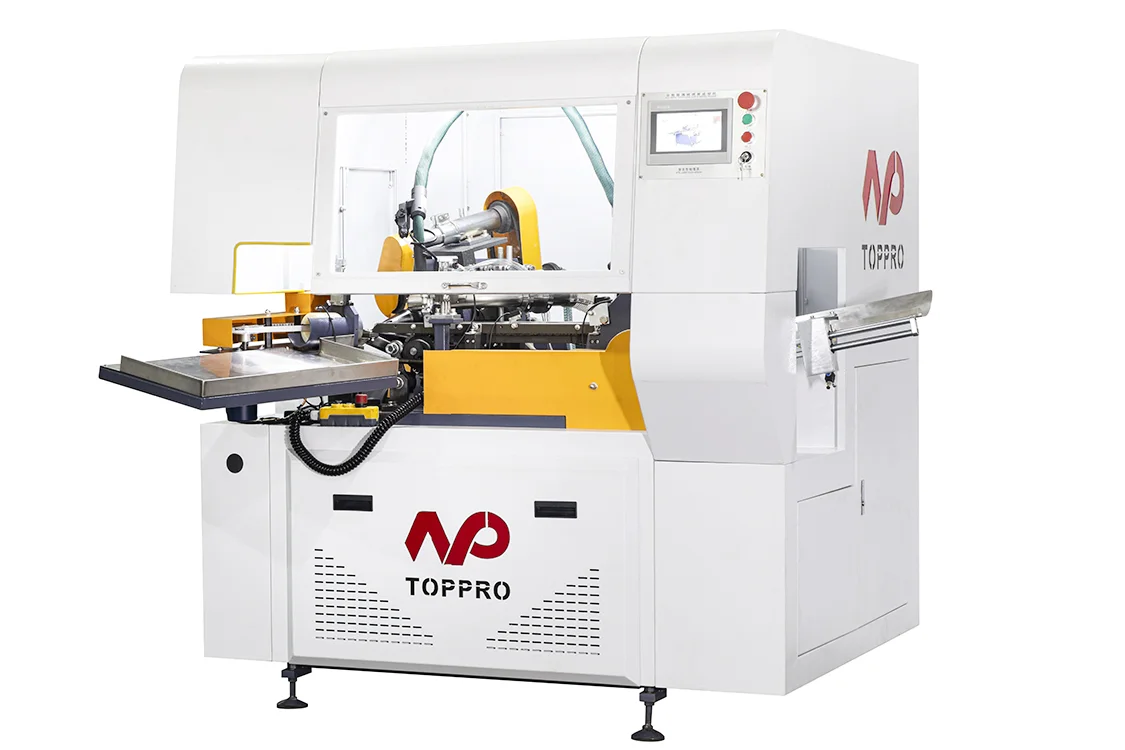
The CPC-300 uses fully servo-driven control for three core motions: paper feeding, transmission, and mold rotation. Instead of a single main motor driving everything through gears and cams, each of those motions has its own servo motor that positions it electronically.
That separation matters because each motion has a different timing requirement. The paper feed has to release a blank at the exact moment the mold is ready to receive it. The transmission has to advance the formed sleeve at a rate matched to the winding speed. The mold rotation has to hold a precise angular position so the seam lands where the glue was applied. When one motor drives all three through mechanical linkages, wear in any one link affects the others. With independent servos, each motion stays accurate on its own.
Encoder-Based Angular Precision
The machine includes an integrated encoder that provides exact angular precision. The encoder reports the mold's rotational position to the control system, which uses that feedback to time the glue application and the seam closure.
Angular precision is what determines whether the seam overlaps correctly. If the mold stops a few degrees short, the seam doesn't close fully. If it overshoots, the paper overlaps itself and creates a lump. The encoder closes that loop, so the mold stops at the same angle on every cycle.
How Do the Glue and Vacuum Systems Support Forming?
Robatech Nozzle and Glue Tank
The bonding system uses a Switzerland Robatech original nozzle positioned at the bottom of the bonding area, which makes the bond more solid. The Robatech glue tank carries century-old brand quality assurance.
The nozzle position matters for seam strength. Applying glue at the bottom of the bond area means the adhesive sits where the paper layers overlap most, which is where the seam needs the most holding force. A nozzle that applies glue too high or too low leaves part of the overlap unbonded.
The machine also uses a Robatech precision dispensing valve, manufactured by an industrial adhesive application specialist for automated production lines. It accurately applies hot melt or cold adhesives with high speed and control.
Vacuum Pump for Paper Holding
The vacuum pump provides suction for paper holding and gluing, while the servo motor delivers precise power for winding. That combination is what ensures the forming accuracy and production efficiency of the machine.
Paper holding during winding is easy to overlook until it fails. If the blank shifts while the mold is rotating, the cone comes out distorted, and the seam lands off-center. The vacuum holds the paper flat against the mold through the winding cycle, so the shape forms correctly.
| Parameter | CPC-300 Specification |
|---|---|
| Speed | 280-300 pcs/min |
| Paper cup size | 4-10oz |
| Cone angle | 17-23 degrees |
| Cone length | 100-230mm |
| Raw material | 80-170 g/m² art paper, aluminized paper, offset paper, wax paper |
| Electricity | 220V 50Hz 1-phase, 380V 50Hz 3-phase, or custom |
| Power | 9kW |
| Net weight | 1,000kg |
| Dimensions | 1850 × 1750 × 1800mm |
| PLC / servo system | Xinje |
| Glue box | Robatech |
| Vacuum pump | Huitong |
| Sensors | Panasonic |
| Electrical parts | Schneider + Panasonic |
How Does the Machine Monitor Each Production Step?
High-Precision Photoelectric Sensors
Every step is detected by high-precision photoelectric sensors. The sensors confirm that the paper blank has arrived at the forming station, that the sleeve has advanced to the glue position, and that the finished cone has exited the mold. If a blank fails to arrive, the sensor signals the control system, and the machine responds before a glue-less or paper-less cycle produces a defective sleeve.
Panasonic sensors are used across the machine, and the electrical parts come from Schneider and Panasonic. Those component choices matter in a production environment where a sensor failure stops the line.
SMC Solenoid Valves and the PLC Cabinet
Japanese-imported SMC solenoid valves provide stable current transmission. The valves control the pneumatic actuators that handle paper holding and mechanical movements. Stable valve operation means the pneumatic motions repeat consistently, which supports the machine's overall precision.
The electrical cabinet acts as the brain of the machine. It uses a PLC to automate all processes, distribute power, control actuators, and protect the equipment for stable production. The PLC coordinates the servo motors, the glue system, the vacuum, and the sensors into one synchronized sequence.
What Does the Automatic Paper Feeding System Do?
Separating, Feeding, and Positioning Blanks
The automatic paper feeding mechanism separates, feeds, and positions paper blanks to the forming station. That sequence has to run without interruption because the machine produces 280-300 sleeves per minute — roughly five per second. Any hesitation in the feed creates a gap in the output.
The mechanism separates one blank from the stack, feeds it forward, and positions it so the forming station can pick it up. Stable, continuous production depends on that three-step sequence repeating reliably. Precise alignment at the positioning step is what allows the seam to land in the correct place.
Automatic Edge Cutting with Self-Cleaning
The machine performs automatic edge cutting with a self-cleaning waste-out function. When the paper blank is formed into a cone, the edge needs to be trimmed so the sleeve has a clean finish. The trimming produces waste, and the self-cleaning function removes that waste from the machine automatically.
Without self-cleaning, paper waste accumulates at the cutting station, and the operator has to stop the machine to clear it. That interruption costs production time at a rate of 280-300 sleeves per minute. The self-cleaning function keeps the station clear, so the machine keeps running.
A Paper Cone Machine like the CPC-300 from Sincere Machine also includes a one-button reset function for efficient maintenance. After a jam or a stop, the reset returns the machine to its starting position without manual adjustment of individual stations.
Which Paper Materials and Cone Sizes Work?
Art Paper, Aluminized Paper, Offset Paper, and Wax Paper
The machine handles 80-170 g/m² raw material in art paper, aluminized paper, offset paper, wax paper, and other options. Each material behaves differently through the forming process. Art paper takes printing well and forms cleanly. Aluminized paper adds a metallic finish and a moisture barrier. Offset paper is a workhorse for general-purpose sleeves. Wax paper offers moisture resistance for applications that need extra protection.
The paper weight range covers the stock used in typical ice cream cone sleeve production. Lighter paper conforms to the cone shape more easily but needs careful tension control. Heavier paper holds its shape better but requires more force during winding.
Cone Size Range and Angle
The machine produces 4-10oz cone sleeves with angles from 17-23 degrees and lengths from 100-230mm. That range covers kiddie cones, standard cones, and larger waffle cone formats.
Switching between cone sizes involves changing the forming mold and adjusting the machine settings. The servo control system stores parameters for different sizes, which shortens the changeover time between runs.
What Do Operators Ask About Full Servo Cone Machines?
What does the one-button reset function do?
After a jam, a paper misfeed, or any stop condition, the one-button reset returns the machine to its starting position. Instead of manually advancing each station to the correct phase, the operator presses one button and the servo system moves every axis to its home position. That reduces the downtime after a stop and lowers the chance of operator error during recovery.
Why does the glue nozzle position matter?
The Robatech nozzle sits at the bottom of the bonding area. Glue applied at that position lands where the paper layers overlap most, which is where the seam needs the highest holding force. A nozzle positioned higher or lower leaves part of the overlap unbonded, and the seam can open under handling or moisture exposure.
What's the role of the vacuum pump?
The Huitong vacuum pump provides suction for paper holding and gluing. During winding, the paper blank is held flat against the rotating mold. Without that suction, the paper could shift, and the cone shape would come out distorted. The vacuum keeps the blank in position through the forming cycle, so the shape and the seam location stay accurate.
What maintenance does the servo system need?
The servo motors themselves are sealed units that don't require routine lubrication. Check the encoder feedback for consistency — if the angular position drifts, the seam quality changes. Inspect the glue nozzle and the dispensing valve for adhesive buildup, and clean them according to the manufacturer's schedule. Verify the photoelectric sensors are clean and aligned, and check the SMC solenoid valves for consistent pneumatic response.
Let's Match a Full Servo Cone Line to Your Production
Share Your Cone Size and Output Target
A Paper Cone Machine with full servo control should match your cone sizes, paper material, and output requirement — not the other way around. The CPC-300 Full Servo Paper Cone Sleeve Making Machine from Sincere Machine runs at 280-300 pcs/min, handles 4-10oz cones with 17-23 degree angles and 100-230mm lengths, and accepts paper from 80-170 g/m² in art paper, aluminized paper, offset paper, and wax paper. The Xinje PLC and servo system, Robatech glue system, Huitong vacuum pump, and Panasonic sensors work together to keep the forming accurate and the production continuous. If you're specifying a cone sleeve line for ice cream packaging, send us your cone size and output requirements — we'll help you confirm the right configuration before you order.